Legal Wolf makes case for international anti-corruption court
Yuri Bender

Judge Mark Wolf, a US legal veteran, is seldom without a reflective smile on his face. Even during regular visits to war-torn Ukraine, where he is setting up a framework to facilitate foreign investments, he sees optimism amid the trauma.
Known for forensic dissection of complex financial fraud cases, Mr Wolf cut his teeth as special assistant to US attorney-general Edward Levi in the mid-1970s. They were tasked with helping restore order after the high drama of the ‘Watergate’ case, which brought down President Richard Nixon and his inner circle, following a scandal involving wiretapping, burglary, kidnapping and international money laundering.
In the early 1980s, as deputy US attorney and chief of the public corruption unit in the District of Massachusetts, he took on the Boston political establishment, investigating fraudulent use of public funds, leading to 40 consecutive convictions.
He later oversaw the Whitey Bulger Case, exposing the FBI’s handling of informants who ran Boston’s organised crime gangs within the city’s tightknit Irish community.
Taking on corruption
Now, as chair of Integrity Initiatives International, Mr Wolf wants to turn his legal and investigative talents to help set up an International Anti-Corruption Court (IACC), opening up developing countries to legitimate sources of investment. His many years’ experience of dealing with financial chicanery will not go amiss.
“Sometimes, there’s a disaffected member of the inner circle who is disturbed by the way he or she has been treated or concerned they will be prosecuted and become the scapegoat,” says Mr Wolf, looking back at his success in combating corruption in Boston. “Or sometimes you’re looking for one thing and you find something else.”
These days, the sprightly 78-year-old, who still serves as a senior federal judge in Massachusetts, is particularly keen to catch cross-border “kleptocrats”, who are also typically “the worst abusers of human rights”.
His 50-year track record in exposing links between politics and organised crime means Mr Wolf has long stopped worrying about offending people in power. “I’m constitutionally almost incapable of not being candid, but I really admire what’s going on here in Europe,” says Mr Wolf during a recent visit to London, speaking in an individual capacity, rather than as a representative of the US judiciary.
I’m constitutionally almost incapable of not being candid, but I really admire what’s going on here in Europe
His proposed IACC would prosecute “high level officials and private enablers, and people who bribe them”, particularly if their own country is unwilling to prosecute. It could herald prosecution of corrupt officials in “countries such as Russia, but not just Russia”.
Mr Wolf cites “overwhelming evidence” included in the Panama Papers, compiled by the International Consortium of Investigative Journalists, that Vladimir Putin “has laundered hundreds of millions of dollars or more” through Switzerland and London. The use of shell companies to buy expensive properties also implicates bankers and real estate agents.
Mr Wolf’s bridges in Moscow were burned more than a decade ago, when he “became persona non grata for mentioning Magnitsky and Navalny at a luncheon with then President Medvedev”.
Russian tax adviser Sergey Magnitsky and political opposition leader Alexei Navalny have both died in custody, following arrests on what most observers believe to be false charges.
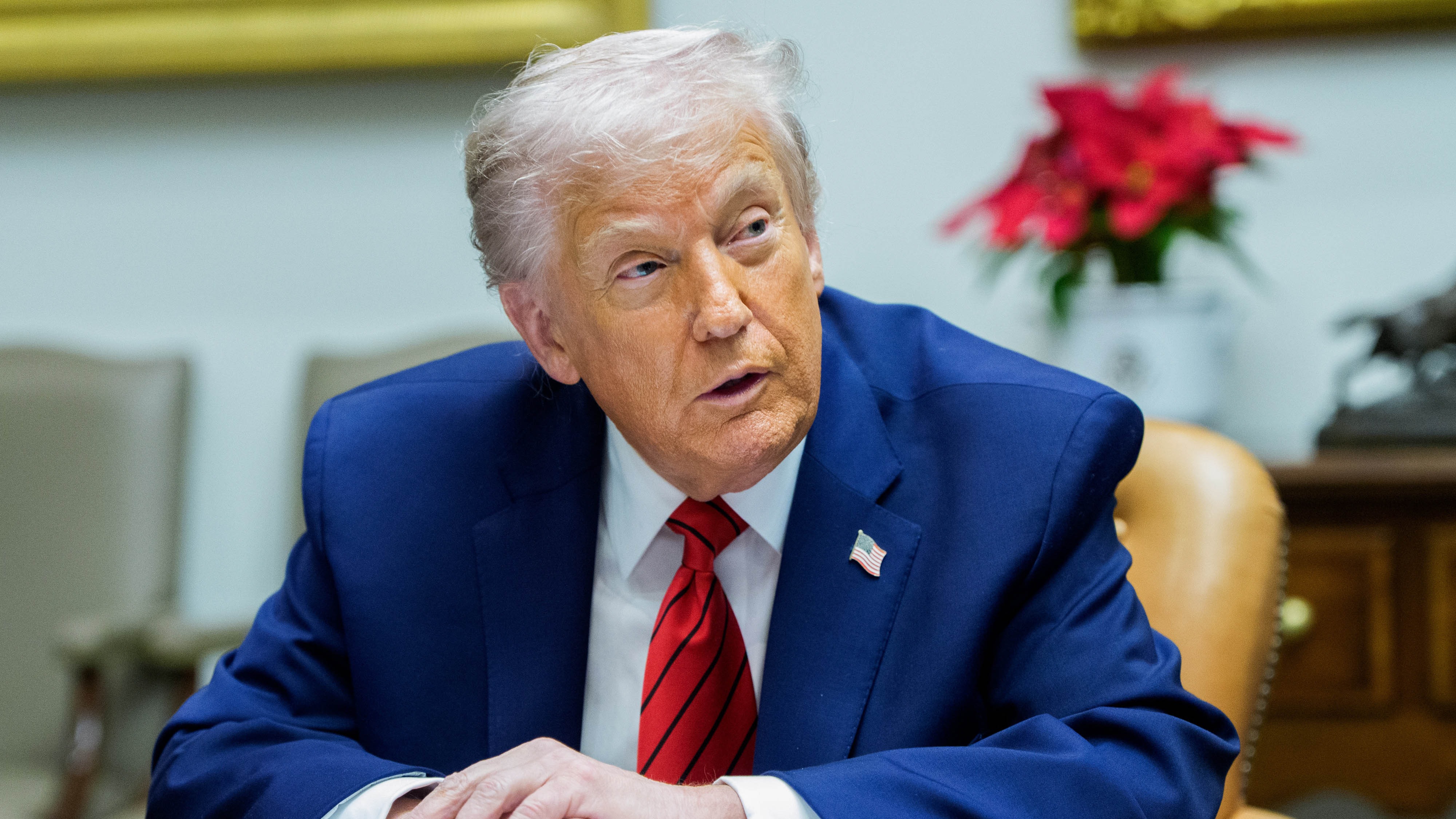
The current US government is also hostile to the IACC initiative, which President Donald Trump has described as a “violation of national sovereignty”.
‘Fundamentally ethical’
While this reaction is “disappointing but not surprising”, Mr Wolf believes US-centred multinational corruption has steadily decreased since the heady days of Watergate, particularly after implementation of the Foreign Corrupt Practices Act in 1977.
He relates the experiences of senior private equity executives he mixes with, including those from the Carlyle Group. These major investment houses are often asked to pay bribes for access to projects in developing markets, says Mr Wolf.
Now they are able to say to foreign officials demanding payments: “Sorry, we can’t pay a bribe. We’re going to get prosecuted…The biggest of them, are fundamentally ethical.”
The positive reaction in Europe always encourages him. European diplomats have previously told him: “We’re tired of following the US on everything, these are the sorts of things that Europe should be taking the lead on.”
His proposals are backed by more than 350 world leaders, including 55 former presidents and prime ministers. The UK’s former PM Gordon Brown and current foreign secretary David Lammy are apparently big fans, as are “ardent supporters” in the EU parliament, especially the Dutch contingent, which helped facilitate a “significant grant” for his initiative.
Even though 185 countries are parties to the UN Convention against Corruption, and “they all have laws criminalising bribery and other things”, they fail to enforce those laws against their highest officials, he says. “Those officials control the police, the prosecutors and the courts, but I’m still hopeful for my country.”
Yes, Ukraine has a long history of corruption, but they have been striving to do a lot about it. My colleagues and I want to do everything possible to help strengthen their institutions
Following attempts from the international community to hasten peace negotiations for Ukraine, Mr Wolf, who has been working with Kyiv’s judiciary since 2017, is hoping a more transparent legal structure will help lure foreign investment firms to participate in infrastructure reconstruction.
“The Russian fake news is that Ukraine is the most corrupt country in the world and does nothing about it,” he says. “Yes, Ukraine has a long history of corruption, but they have been striving to do a lot about it. My colleagues and I want to do everything possible to help strengthen their institutions.
“The latest estimate I have seen is that it will cost $523bn over the next decade for Ukraine’s reconstruction,” says the judge. “That’s not all going to come from governments. There has to be an environment that’s attractive to private investors, who want to be reassured there’s a rule of law and the country is not riddled with corruption.”