Riding the rails of Romania’s EU journey
Calin Metes

For any external viewer, Romania’s economic performance, following accession to the European Union (EU) in 2007, appears nothing short of dramatic.
In 2007, Romania’s GDP per capita represented 41 per cent of the EU average, whereas in 2024 it has risen to 78 per cent of this average, according to the European Commission. EU membership contributed to an accelerated convergence path for the country.
This growth has been fuelled by a combination of factors. Improved design of the institutional framework — as required by EU criteria improving the rule of law, which attracted foreign investments — has been boosted by significant EU funds, and a relatively benign state which allowed entrepreneurial undertakings to flourish.
Central Europe Stirring Special Report
Many geopolitical commentators expect a peace deal to be signed to end the Ukraine war in 2025, leading to a $1tn infrastructure rebuilding programme and investment opportunities. There are also several countries in the region which have matured from frontier bets to core portfolio positions, including Poland and Romania. Our special report takes a look
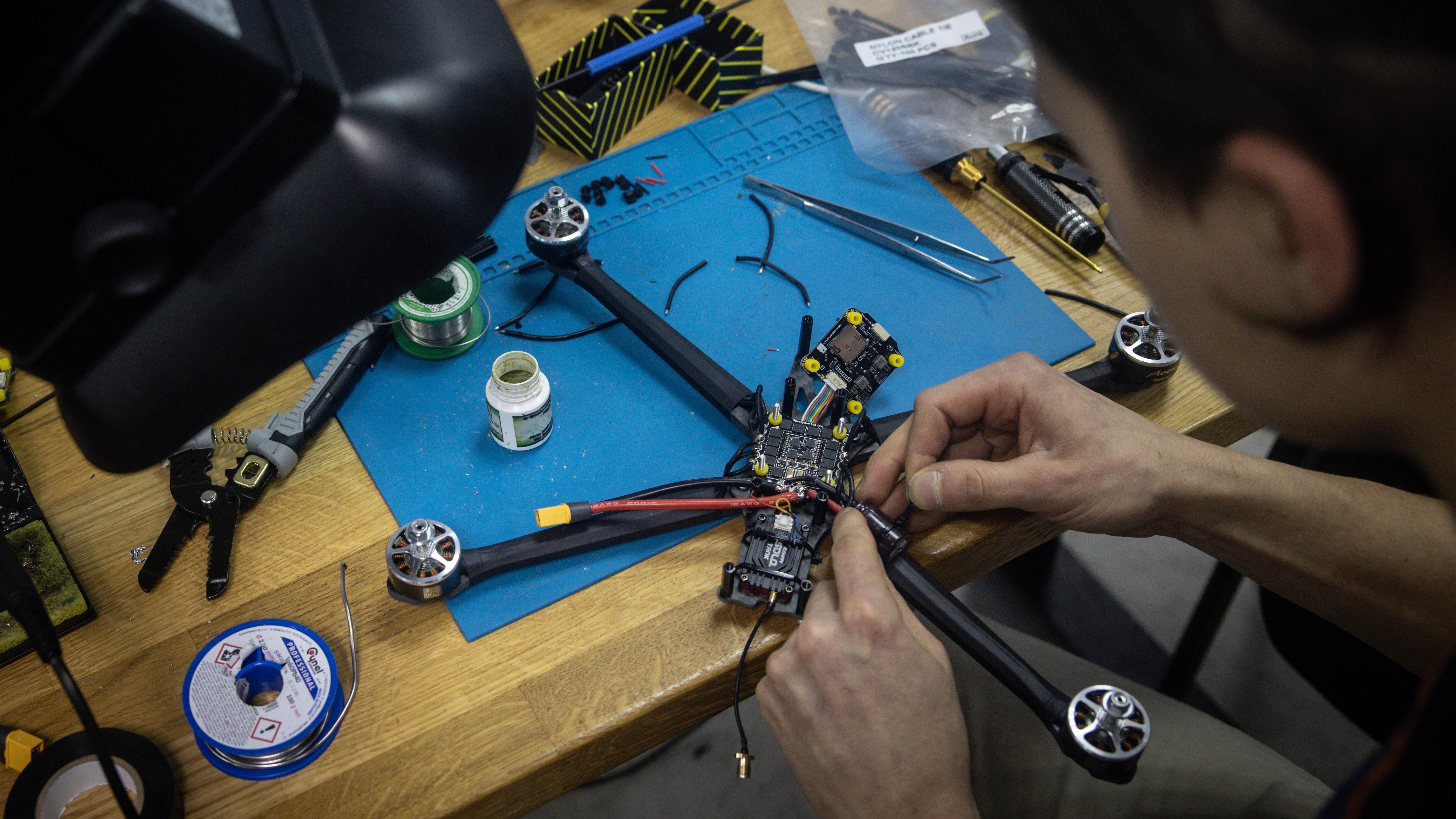
While counterintuitive to many, and in blatant contradiction to public debate taking place internally on the political front, Romania is not merely a consumer of EU goods. In fact, Romania’s industry share of GDP stood at 26.7 per cent in 2024, in seventh position among EU countries, just below Germany’s 27.3 per cent. The automotive sector is a key driver of this trend.
Problematic politics
Stockmarket returns during this period have more than corresponded with economic growth. The local market index has generated an annualised euro return of 9.8 per cent, on top of generous dividend yields averaging 6.4 per cent, according to our research.
The structure of the local market has been conducive for sustainable returns, as the local mandatory private pension system, which invests mainly domestically, reached €34bn ($39.5bn) in total assets by June 2025. The growth of the private pensions system is expected to be strong going forward, potentially reaching €60bn in assets by 2030.
The Romanian government still directly, or indirectly via local authorities, maintains control of more than 1,700 companies, which can be challenging for investors
At the same time, a set of reforms pertaining to state-owned entities (SOEs) was initiated in 2011, when corporate governance legislation was approved. This legislation set the stage for the way management is selected and appointed in companies where the state is the majority shareholder. This was necessary reform requested by international institutions and investors, as too many times, SOEs witnessed the political factor playing a decisive role in management appointments.
The Romanian government still directly, or indirectly via local authorities, maintains control of more than 1,700 companies, which can be challenging for investors.
Proper implementation of good corporate governance in SOEs is often upheld by the presence of a significant minority shareholder. This is a role we have attempted to play in order to promote good corporate governance among Romania’s SOEs, and to help develop Bucharest’s domestic capital market. Our fund has been a shareholder in many of the companies listed on the Romanian market over the past 12 years, when we have been involved in 70 per cent of all equity capital market transactions.
High financing costs
Indeed, the reform efforts undertaken by the Romanian government should be continued with more listings, especially these days when the budget deficit has crept up to worrying levels.
Currently, Romania’s financing costs are among the highest in the EU area. A programme for more listings of SOEs would help alleviate some investor concerns and channel more international inflows into the economy.
Romania’s continued path towards full convergence to EU standards is dependent on the country’s will to implement more reforms paving the way for the next growth phase
It should also help the Romanian government attract more EU funds from the Romanian Resilience and Recovery Plan. Set up in the aftermath of the Covid-19 pandemic, this is an EU project from which Romania is set to receive €29bn over five years from 2021 to 2026.
Included in this plan is the government’s obligation to list three more companies by 2026. We have already seen the listing of Hidroelectrica, a hydro power generator, majority owned by the government, floated on the Bucharest Stock Exchange in 2023 by Fondul Proprietatea.
Among the most suitable candidates for a 2026 are Bucharest Airports and Constanta Port, two companies in which our Fondul Proprietatea owns 20 per cent stakes, with the rest owned by the Romanian government.
Bucharest Airports has registered constant growth in the number of passengers in recent years, and the building of a new terminal is needed to deal with capacity constraints. Part of the financing for these investments should come from the company issuing new shares on the stockmarket.
Romania’s continued path towards full convergence to EU standards is dependent on the country’s will to implement more reforms paving the way for the next growth phase. A liberal agenda with privatisations and listings of SOEs on the stock exchange is crucial in this regard.

Calin Metes, portfolio manager, Franklin Templeton