Boutique family offices bet on intimacy
Elisa Battaglia Trovato

While consolidation in the multi-family office sector accelerates — with deals including Corient’s acquisition of Stonehage Fleming and Stanhope Capital highlighting a race for scale — smaller firms continue to show that culture, intimacy and purpose are difficult to replicate.
With around $83tn set to change hands globally in the ‘great wealth transfer’, according to UBS, how families manage not just their assets, but their identity, has never been more pressing.
Family office growth
The number of single-family offices is forecast to rise from just over 8,000 today to more than 10,700 by 2030.
Over the same period, assets under management are projected to grow by 73 per cent, from $3.1tn to $5.4tn.
Nearly seven in 10 family offices (68 per cent) have been set up since 2000, reflecting the sharp increase in global family wealth.
Source: Deloitte Private
One such boutique is Arlington Family Offices, in the US southern state of Alabama, which centres its model on helping families uncover their innate “gifts” as a foundation for legacy and long-term cohesion.
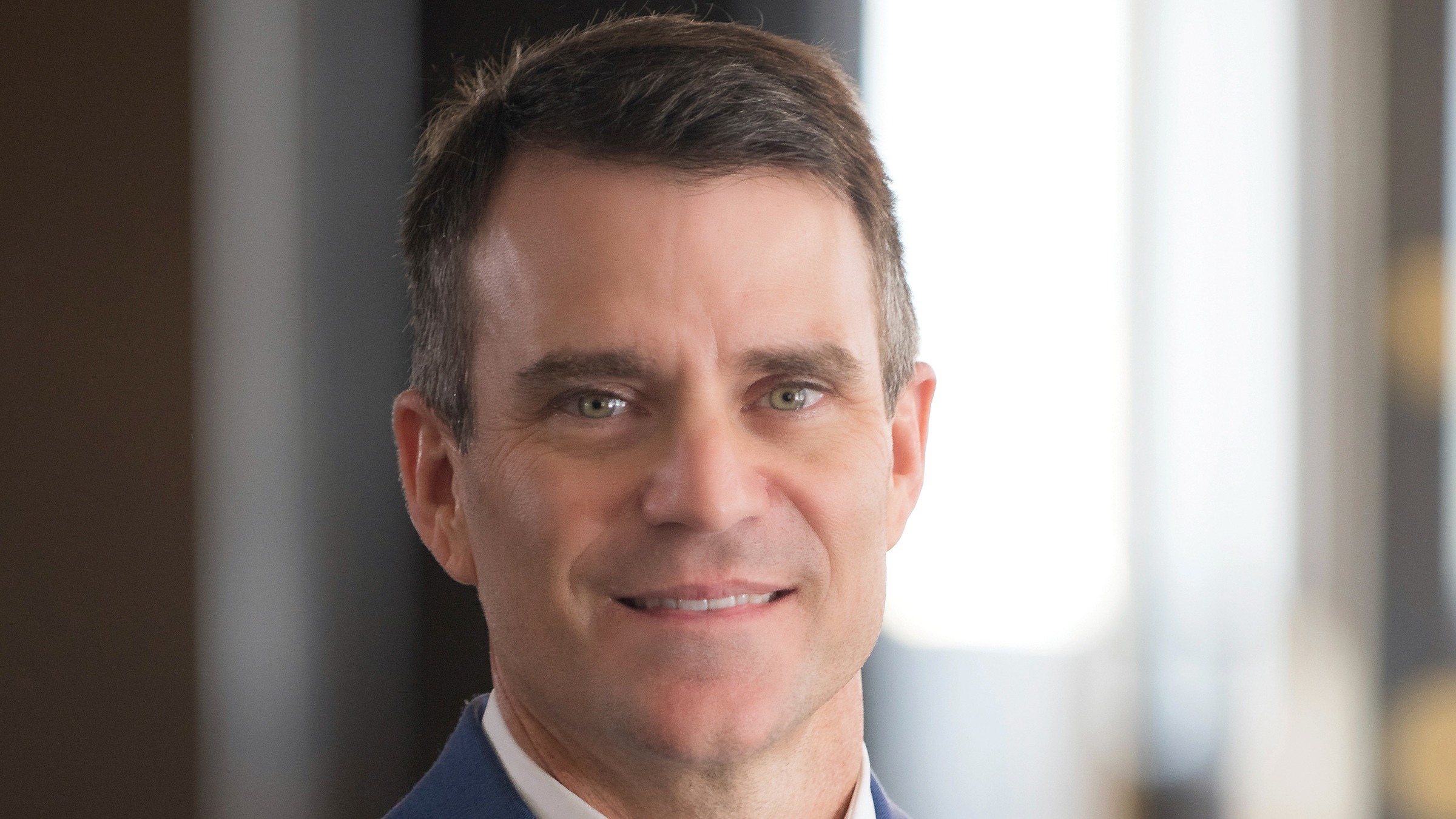
When Ken Polk launched his firm in 1998 at the age of 25, he had no inherited wealth, no family office background and no industry network. “I always tell people I was super naïve,” he recalls. “I had a desk, a computer and solid ambition.”
The first in his family to attend university, Mr Polk trained as an accountant and drew on early experience at the Deloitte consultancy to offer “practical value”, often by lowering clients’ tax bills. “I always asked people to trust me with a little. Over time, I would take care of their kids’ kids.”
His aim was to build a more integrated service, combining investment management, tax strategy and legacy planning. The firm has grown by adding just two to three families per year to its client base.
Today, it oversees more than $16bn for 85 families, or “756 souls under management”, built on a model that “barely existed” at the time. “The quintessence of luxury is saving time. I just happened to be very early in holistic planning,” says Mr Polk.
At the time, wealth often disappeared within three generations. Now, some families are too big to fail — a market crash would not even touch them. But their focus has shifted. “The more capital is created, the more the human turns to ask: what is this for?”
Identifying gifts
Mr Polk’s approach builds on the thinking of Jay Hughes, the US pioneer of human capital in family wealth. Arlington’s framework includes a 72-question assessment to help families identify their “gifts” — traits that, unlike learned skills, come naturally to individuals but not to others.
“If you identify your gifts, purpose tends to follow,” says Mr Polk. “The goal is for each individual family member to work towards their purpose over time by focusing on how they are unique.”
The model is built on three “laws”. The first, ‘your footprint is the blueprint’, encourages clients to reflect on character traits by writing letters to their future selves or even crafting their own obituary or farewell letters.
The second, ‘your family’s collective purpose will determine its longevity’, centres on shared values. The third, ‘your method’ determines your lineage, or DNA”, calls for families to apply strategic thinking and determination to their personal lives, as rigorously as they would to business.
Entitlement should be reframed through gratitude, believes Mr Polk “Parents should teach their children to stay grateful,” he says. “Gratitude is the antidote to entitlement.”
On legacy, he distinguishes between ‘power over’ — or control — and ‘power to’: helping others fulfil their purpose. “Families that choose ‘power over’, it’s a disaster,” he says.
With 65 employees and $10bn under management, Arlington is, in his view, large enough to access talent and investment opportunities, but small enough to preserve its culture.
“There are two types of systems,” he says. “Non-human systems, investments and technology, can scale infinitely. But human systems, like client intimacy, are unscalable.” In more competitive markets, clients are selective. “No clients say, ‘I want you to get so big that my adviser doesn’t know my name’.”
The missing piece
Elizabeth Hart, founder of Singapore-based Legacy Wealth Advisors, argues that boutiques offer true independence, a more holistic approach and emotional insight — qualities large institutions lack.
Her ‘family wellness programme’ blends governance frameworks with family educational sessions and one-to-one coaching to address the emotional dynamics that can hinder wealth planning. Emotional cohesion is often the “missing piece” in succession planning, she says. “There are so many examples of billionaire families who have the wealth and even the structuring, but still end up in public disputes, because they lack family harmony.”
There are so many examples of billionaire families who have the wealth and even the structuring, but still end up in public disputes, because they lack family harmony
Her approach starts with structured family discussions around money, governance and transition, followed by her “secret sauce” — coaching focused on individual wellbeing. “If you get each family member balanced in themselves, then you can get the whole family synchronised, spinning. If even one is wobbling, they crash into everyone else.”
Ms Hart left private banking to launch her own firm in 2020, convinced that only true independence could put the client first. “The banks’ priorities are the regulator and the shareholder. I used to sit there thinking, is the client even on the list anymore?”
As an independent, but a former private banking insider, she says she can strip out hidden costs, negotiate fees and source across institutions — bringing more transparency, simplicity, and often lower costs.
Many banks, “the smarter ones” are adapting, setting up external asset manager desks to retain custody while allowing independent professionals to advise clients.
Although this is a positive step and part of a growing trend, according to Ms Hart, she has a strong belief that nobody is addressing what she calls the “family wellness piece”. This is overlooked because it is “not a big money spinner”. The current remuneration model, she adds, still encourages short-term sales and in-house product pushing.
As wealthy families become more global and complex, Ms Hart sees a need for “holistic, multi-disciplined and multi-jurisdictional advice”, driven by rising cross-border wealth, unprecedented levels of millionaire migration and intergenerational transfer.
Shared purpose and open communication are essential, particularly in traditional, patriarchal Asian families where privacy is prized and younger, overseas-educated generations push for change. An external adviser can help bridge the gap. “Even if the original founder wants to make the decisions, it’s about communicating them in a way everyone can buy into, rather than just dictating,” says Ms Hart.
This also extends to redefining wealth itself. The original meaning of the word, she notes, reflects abundance and wellbeing, not just money. “It’s about being wealthy in your relationships, your mindset, your physical and emotional health.”
Family union
Simon Quick Advisors, based in New Jersey, puts planning-first advice and next-generation engagement at the heart of its offering. “The goal was always to create a solution for high net worth families that was holistic and client-focused,” claims managing partner Chris Moore.
The firm emerged from the union of two entrepreneurial families — the Quicks, founders of brokerage Quick & Reilly, and the Simons, whose patriarch William E. Simon Sr. was a US Treasury Secretary and private equity pioneer. “What connected both families was their philanthropy and their focus on giving back,” says Mr Moore.
Today it advises 650 families across 36 states, overseeing $10bn. Its philosophy, says Mr Moore, is to “lead with planning”.
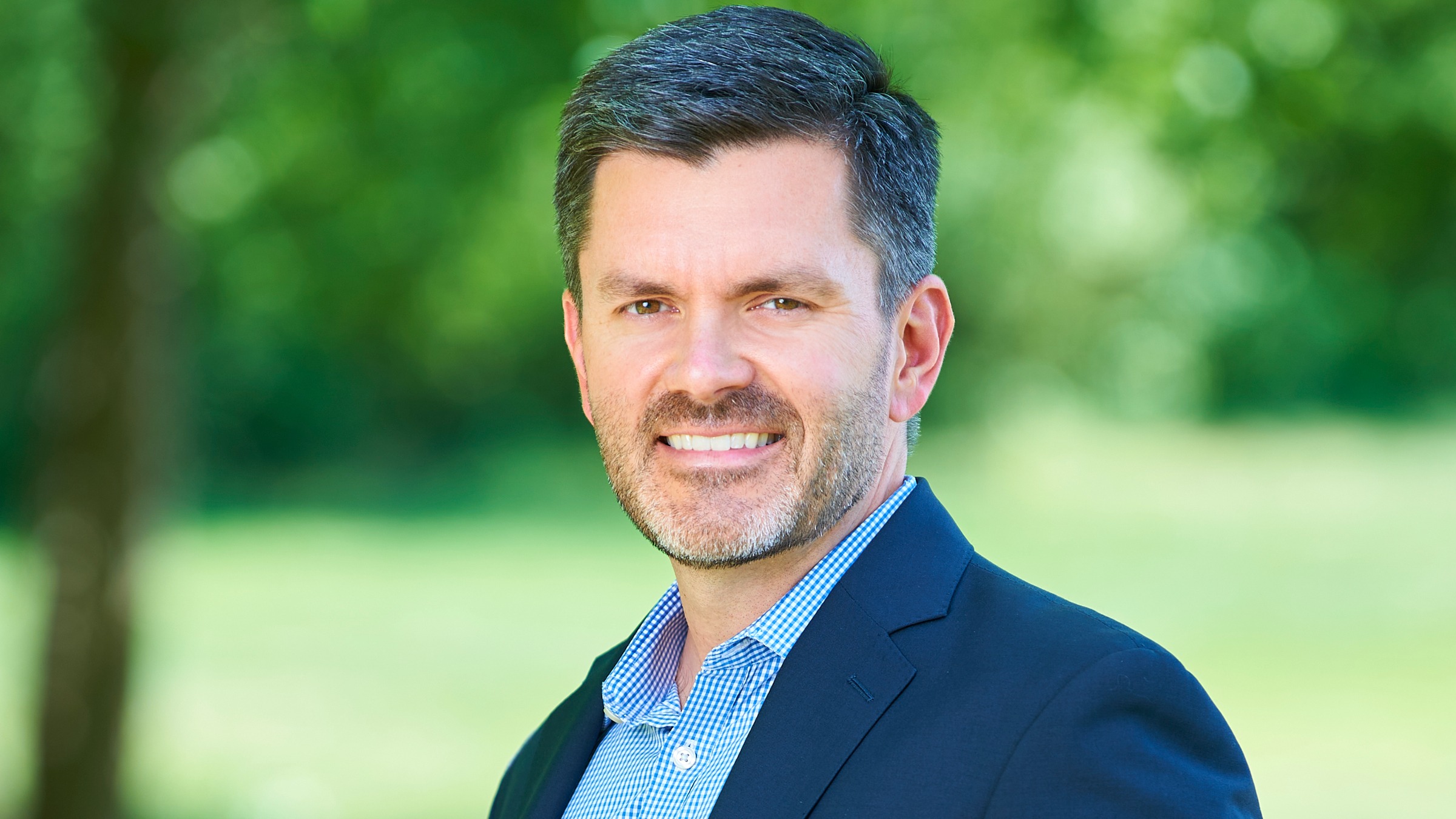
“Before a dollar gets invested, we’re talking about family goals, values, succession, tax and estate planning, philanthropy,” says Mr Moore. “Only then can we design an investment solution that supports the family’s objectives.”
Simon Quick employs 25 advisers, supported by a seven-strong investment team, and draws on external experts as needed. “Sometimes independence is critical, especially if the second generation sees us as aligned with the first. A third party helps for more transparent communication and open dialogue.”
The firm looks for advisers who are technically strong and bring a human touch. It uses a “deliberately non-siloed structure”, where advisers meet weekly to share ideas and improve client outcomes.
A next-gen programme supports younger family members with everything from financial literacy to legacy questions. “The aim is to give the next generation a partner,” says Mr Moore. “We help them think through what kind of legacy they want to continue, or change.”
While many wealth firms scale quickly through consolidation, Simon Quick takes a “measured approach”. It remains privately owned by 32 partners and has grown through selective acquisitions and team hires, including from Northern Trust.
The priority is to find the right balance, says Mr Moore. “If the pace is too fast, culture shifts, and client experience suffers. We want to scale thoughtfully and maintain our boutique feel; it requires a lot of work to deliver on that promise.”
Teams and dreams
With more than $200bn under supervision, New-York based Bessemer Trust sits at the other end of the spectrum. Founded in 1907 by steel magnate Henry Phipps, the multi-family office has served seven generations.
Governance remains central. The firm still refers to a 1911 letter from Mr Phipps outlining his vision for humility and stewardship “The hardest part of succession planning is letting go of control,” says Michael Selfridge, head of client and family office solutions at Bessemer Trust.
Succession, he argues, must be “a team sport, not a solitary patriarchal decision”, built on governance, shared values and communication. Decision-making is evolving, he adds, with families increasingly adopting hybrid models, keeping some functions in-house while drawing on MFOs for specialist expertise. These models, he says, “allow you to scale up or scale down, depending on the growth or contraction of the family office”.
The hardest part of succession planning is letting go of control
He stresses the importance of soft skills or “leadership skills”, alongside culture fit. “The most important thing is making sure the cultural alignment of those you hire matches the family office values.” Advisers, he adds, must go “far beyond investment management” to meet modern family needs.
The industry is moving from a transactional mindset to “a true fiduciary duty”, but he admits it is hard to find advisers with delivers both breadth of solutions and the right mindset.
Clients on the board
Bessemer’s private ownership supports this long-term approach, with the Phipps family still at the helm. “Being a private company means we can take a much longer-term view. We’re not managing quarter to quarter — we are focused on client service,” claims Mr Selfridge.
Its board, composed entirely of clients — half Phipps family, half other families — helps ensure decisions stay aligned with the interests of those it serves.
Mr Selfridge sees the coming wealth transfer as a major opportunity for MFOs. “It’s a growth industry,” he says. Fortunes which once took decades to build can now be amassed in just a few years.
Fuelled by this rapid wealth creation, single family offices are expanding fast. Deloitte Private estimates their number will rise by a third to more than 10,700 by 2030, with assets under management almost doubling to $5.4tn.
But servicing the next generation will require not just digitalisation and innovation, but also human connection, he says. “High tech will need high touch. Human nature is wired to relationships, and families want a trusted adviser first and foremost.”
Discover your gifts
72-question gift assessment to identify your personal gifts across 24 categories.
After reading each statement, please rate yourself on a 1 to 5 scale
(1= Strong Disagree, 5= Strongly Agree).
Example
1. I feel a deep passion for standing up for others who cannot speak for themselves.
2. I have a natural ability to explain complex ideas in a way that others can easily understand.
3. I enjoy expressing thoughts, ideas, and truths in ways that engage and inspire others.
4. I enjoy working with my hands to create, build, or design things that serve others.
5. I naturally uplift and inspire people with my words and actions.
The results reframe your top three to five strengths as purpose statements, phrases like “I was designed to” or “I was created for” or “I was built to”.
Source: Arlington Family Offices