All eyes on Darwinism, dollars and defence after Trump victory
By Beat Wittmann

The new measure of success for politicians as well as investors is market performance, but asset prices do not favour long-term extreme policies.
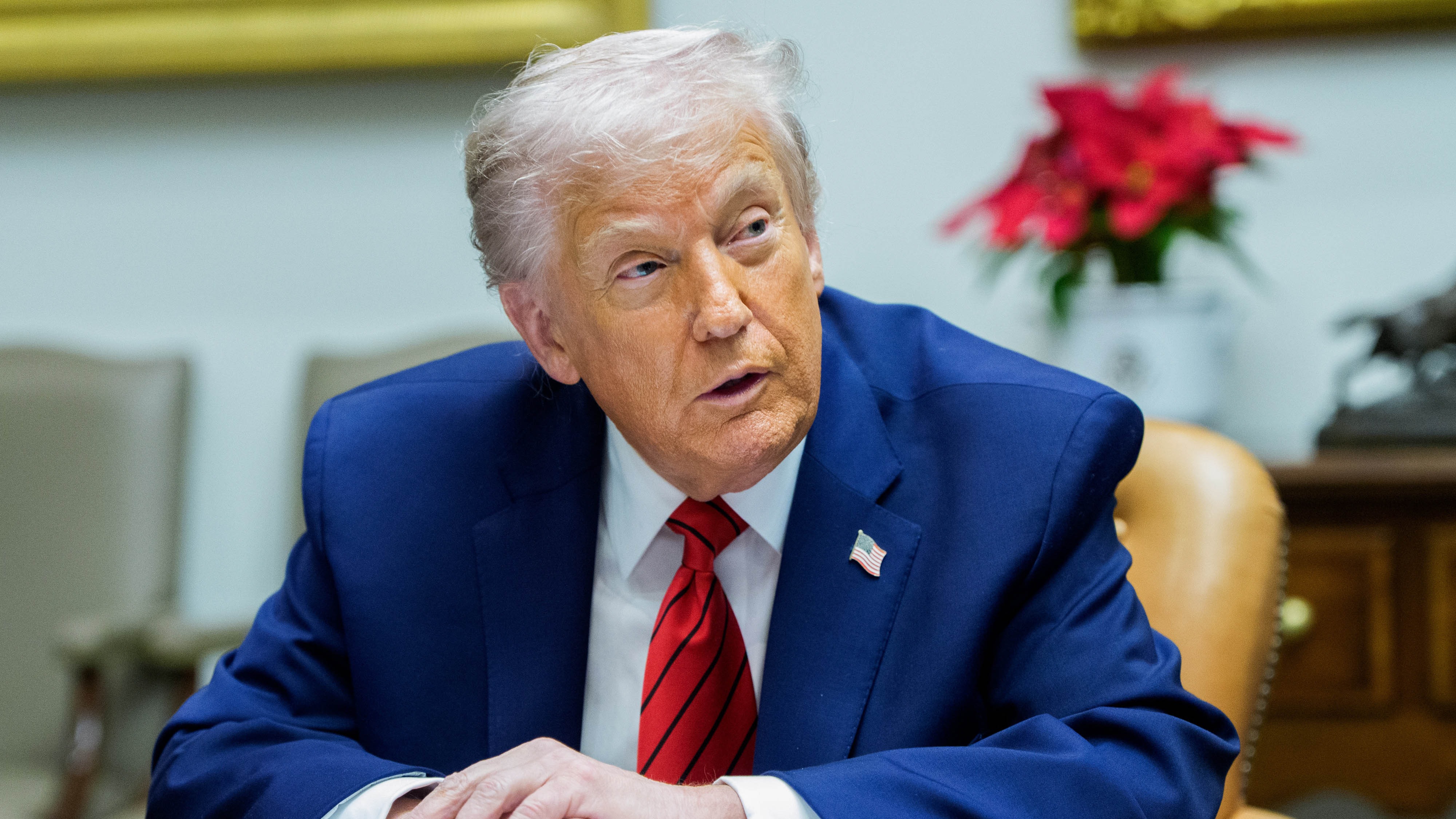
The US elections have shown the way forward. Donald Trump has won a clear mandate based on radical nationalism, deportation of immigrants and putting the US economy first. The new president is straightforward about his resolve to rule at will, disregarding conventions, contracts and institutions.
A new chapter of strongman populist rule has been opened by the US, heralding constant unpredictability in global power competition, with all intended and unintended consequences. Mr Trump could do unimaginable things simply because he is lucky, by no merit of his own, to inherit a strategically autonomous superpower with a highly competitive and well performing economy.
Expect threats, insults and an overall circus coming out of Washington, with the objective to push for advantageous deals. Within multiple realignments, it is key to focus more on substance than style and calmly analyse, act and invest without distractions.
Greed is good
Mr Trump will measure success in office by the performance of Wall Street and the US economy, doing whatever it takes to achieve this.
Watch him fire up US capital markets and ascertain the US dollar keeps ruling the world. The best way to understand this Zeitgeist is to read Tom Wolfe’s bestseller ‘Bonfire of the Vanities’ and watch the movie ‘Wall Street’ with financial titan Gordon Gekko’s motto: ‘greed is good’.
While campaigning, Mr Trump has made outlandish promises, creating unrealistic expectations at home and abroad. However, campaigning is not governing. Once back in office, he faces hard facts and consequences.
But what goes around comes around. It is a historic fact that political extremism and financial market excesses always carry seeds of their own corrections – just not yet.
Darwinism in a fractured world
Geopolitics is dominated by the three superpowers: the US, the EU and China, with their respective alliances and rivalries. All three compete for a new world order, enjoying necessary market size, human capital, and financial resources.
Mr Trump will deal with foreign relationships in a utilitarian and transactional way –based on their respective trade surpluses with the US – and political allies regarding their defence spending contributions. There won’t be much well-meant political and economic reciprocity by rule-making superpowers towards the rule-taking rest of the world.
Mr Trump’s victory, particularly in Europe, has caused concerns and fears. There is, however, a proven and valuable German proverb, ‘Angst ist ein schlechter Ratgeber’ (fear is bad advice). Think of Charles Darwin’s observation that not the most intelligent nor strongest species survive, but the most adaptable to changing environments. Success through adaptation encompasses imagination, resourcefulness, courage, determination, and resilience.
Geopolitical rivalry continues between the US-led global West, and China-dominated Belt and Road orbit. We expect the former to prevail. China, meanwhile, will be absorbed by lower than needed economic growth, a deflationary spiral and potential social unrest due to misguided economic policies.
Tariffs and trade
We are currently experiencing epochal changes in economics, technology and capital markets, in an age of disruption and creative destruction with winners and losers, unprecedented opportunities, and unpredictable casualties.
The US dominates the world economy and capital markets through leadership and strategic autonomy in energy, technology, finance and defence. However, an overheating US economy might produce toxic inflation undermining the US dollar, the world’s leading reserve currency. That is hardly in the interest of the US, the world’s largest debtor nation.
Europe, on the other hand, is highly exposed to global trade and tariffs. It must realise its economic potential through investment for growth and productivity. The political will to address reforms is crucial and two factors matter most: scale and business efficiency.
But these can only be achieved by overcoming market fragmentation, in banking and capital markets, as well as defence. Strategic investment in critical infrastructure, innovation, higher education and science will also be paramount.
Analysing and monitoring financial asset prices is key not just for investors, but also policymakers. Empirically speaking, these are the most reliable indicators of political, economic, and business developments.
Mr Trump will be watching US equities, US Treasuries and the US dollar round the clock. He will adapt his actions in domestic economic matters and international relations with sharp focus on keeping US capital markets high and US consumers and voters happy.
Investment themes
The leading post-Trump victory asset class of choice is equities, focused on G7 markets, US financials and Europe’s defence sector. US equity markets are fuelled by lower corporate taxes, deregulation and expected booms in private markets and M&A dealmaking. The prime beneficiary will be Wall Street itself.
European equity markets will continue to perform well, due to significantly lower valuations compared to the US, and inevitability of corporate restructuring and sharply increased public and private investments in all areas of critical infrastructure. We expect the end of fiscally nonsensical debt brakes, and issuance of EUR common debt bonds for infrastructure and defence financing purposes.
Europe can no longer blindly rely on US support against Russia’s threat to the post-second world war security order. European Nato members and all European nations are expected to increase defence spending from currently 2-3 per cent and more of GDP. The aim is to consolidate and create pan-European military-industrial leaders through co-operation, joint procurement, research and development, and projects of common European interest. We remain convinced that the European defence sector will continue to perform strongly for years to come.

Beat Wittmann, chairman and partner, Porta Advisors Ltd