
Investing in Asian firms with long-term family ownership
Douglas Ledingham

When assessing a company, investors often focus on metrics that can be plugged into a spreadsheet: sales, cashflows and earnings per share. These things matter. But focusing too narrowly on what can be measured often comes at the expense of considering the character, motivation and competence of the people who own and direct companies.
Leadership shapes a company’s strategy, but it also determines its culture, how it allocates capital and how it acts during a crisis. Yet the individuals at the helm of a business often receive little scrutiny from investors. This creates an inefficiency and an opportunity.
Over nearly four decades investing in high-quality businesses as a firm, we’ve found that companies with long-term owners — such as families, foundations or entrepreneurs — offer unique advantages. The best of these companies displays a patient, long-term approach to growth: look after the interests of all stakeholders and focus on creating products and services that delight customers, rather than pursuing short-term payoffs.
Asian families in the vanguard
Asia is particularly rich in one type of company with long-term stewards — family-owned businesses. With a legacy to protect, long-term owners such as families and foundations are more likely to reinvest today’s cashflows in building for the long-term, by investing in innovation, building brands, and retaining talent.
Multi-generational owners tend to think in terms of decades, rather than obsessing over next quarter’s earnings targets. This mindset results in a focus on delighting customers, building relationships with suppliers and employees, and prioritising long-term financial resilience.
With a legacy to protect, long-term owners such as families and foundations are more likely to reinvest today’s cashflows in building for the long-term, by investing in innovation, building brands, and retaining talent
The results are striking. A Credit Suisse report from 2023, titled ‘The Family 1000: Family Values and Value Creation’, showed family-owned companies outperformed non-family-owned peers by an average of 300 basis points annually between 2006 and 2022. Interestingly, while outperformance was consistent across all regions, roughly half of the family-owned companies in Credit Suisse’s dataset were located in Asia, making it a particularly fertile hunting ground for investment managers.
Multi-generational business
One company whose long-term ownership structure is reflected in its patient approach to growth is Tube Investments, a producer of precision-engineered metal products and one of India’s largest bicycle manufacturers. We held a position in Tube for nearly a decade, significantly increasing the size of that position in 2017 after Vellayan Subbiah, a fourth-generation member of the founding Murugappa family, became CEO.
Mr Subbiah’s vision was to transform Tube from a traditional manufacturer into a diversified industrial powerhouse. His strategy was to use the cashflows generated by Tube’s legacy businesses to reinvest in organic growth and make carefully chosen acquisitions.
The company expanded into electric mobility and IT hardware. His standout achievement was the acquisition and turnaround of CG Power and Industrial Solutions. The financial results are clear: since listing its shares in November 2017, Tube has delivered a share price return of more than 1,000 per cent in sterling terms, grown its sales at more than 20 per cent annually and increased returns on capital employed from 22 to 44 per cent, according to S&P Capital IQ.
While share-price volatility has impacted Tube’s short-term returns, this should be viewed in the broader context of long-term transformation. For patient investors, such short-term fluctuations can present opportunities to add exposure to Asia’s highest-quality and most ambitious businesses.
Recognising risks
Of course, investing alongside families, foundations or entrepreneurs can pose risks to minority shareholders. Founders often retain majority voting power, which can marginalise other shareholders and hinder transparency.
Poor governance can manifest itself in founders treating their company as a personal piggy bank, resisting external oversight, or failing to step back and allow qualified professionals to manage operations. Succession planning is another risk. Family dynamics can lead to instability if leadership transitions are unclear or driven by lineage rather than capability.
It is crucial to focus not just on who owns a company but on how they run it — on stewardship
This is why it is crucial to focus not just on who owns a company but on how they run it — on stewardship. It is important to seek long-term owners who value transparency, who put the interests of other stakeholders before their own, and who demonstrate humility — including being wise enough to bring in professional management when needed. We often find that a hybrid model, coupling the vision of a long-term owner with professional execution, is where the greatest potential lies.
Compelling investment case
Investing in Asia’s best family-owned companies is not about sentiment or tradition — it’s about long-term value creation. The goal is to find those companies where long-term owners’ interests align with those of long-term investors, where the business is being guided by a genuinely long-term outlook, and where there’s a relentless commitment to excellence.
But the key lies in selectivity: not every company with a long-term owner represents a good investment. We need to look for competent long-term stewards who see shaping the future of their business as a responsibility rather than an entitlement, and who are sufficiently humble to let their role evolve as their company grows. By being selective, by being patient and by sharing in these companies’ long-term thinking, investors can access some of the most compelling investment opportunities in Asia.
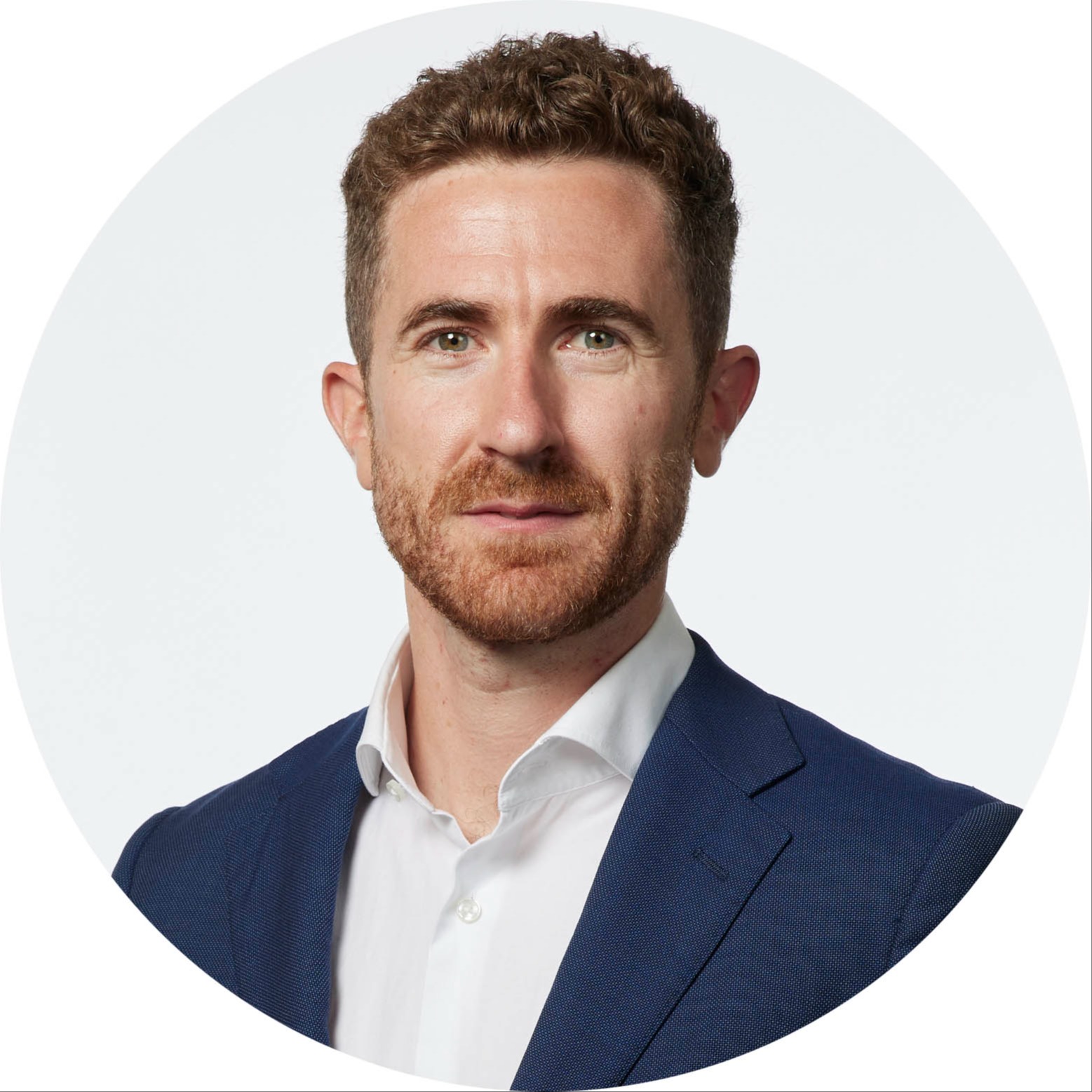
Douglas Ledingham, lead manager of Pacific Assets Trust