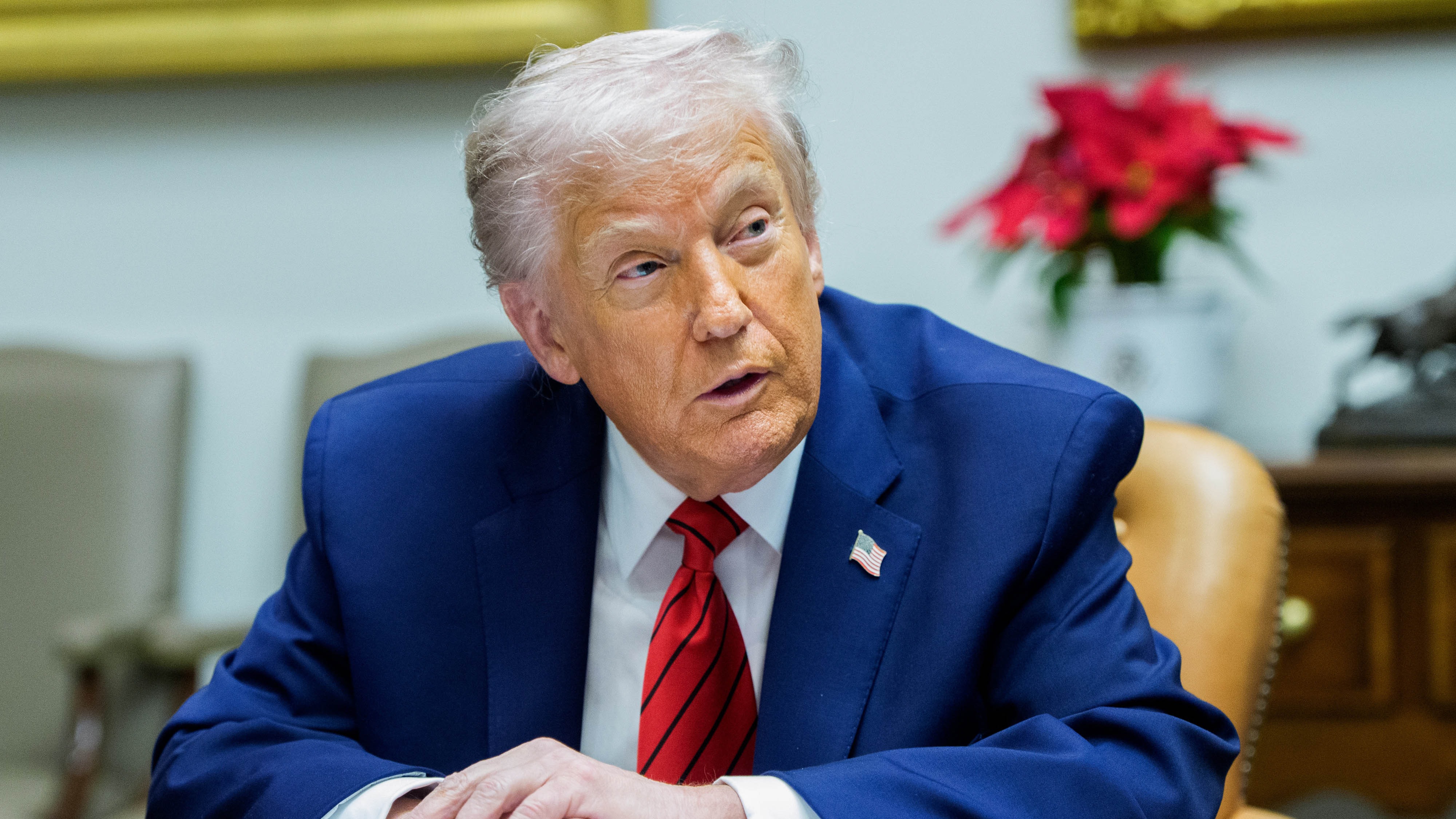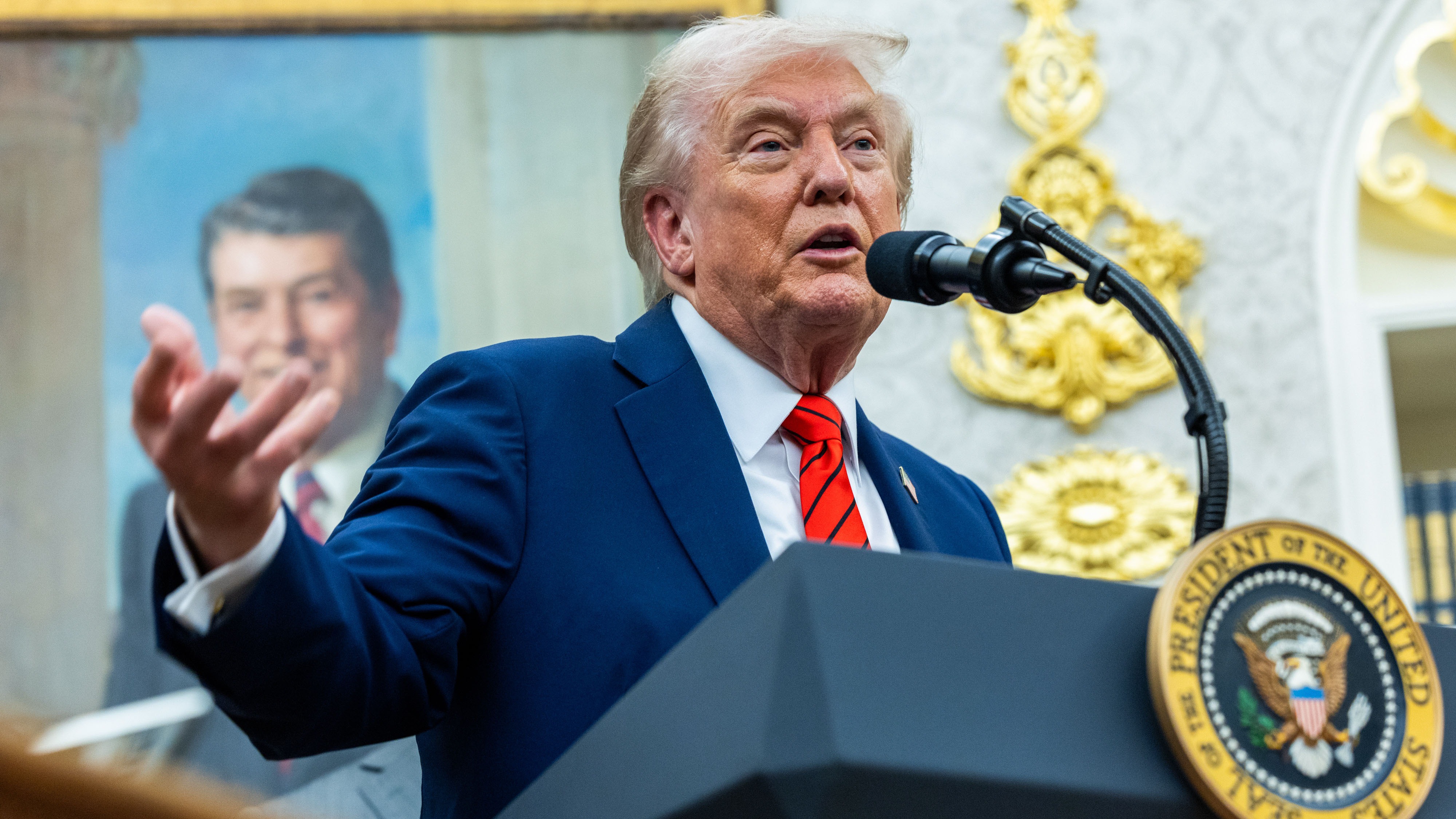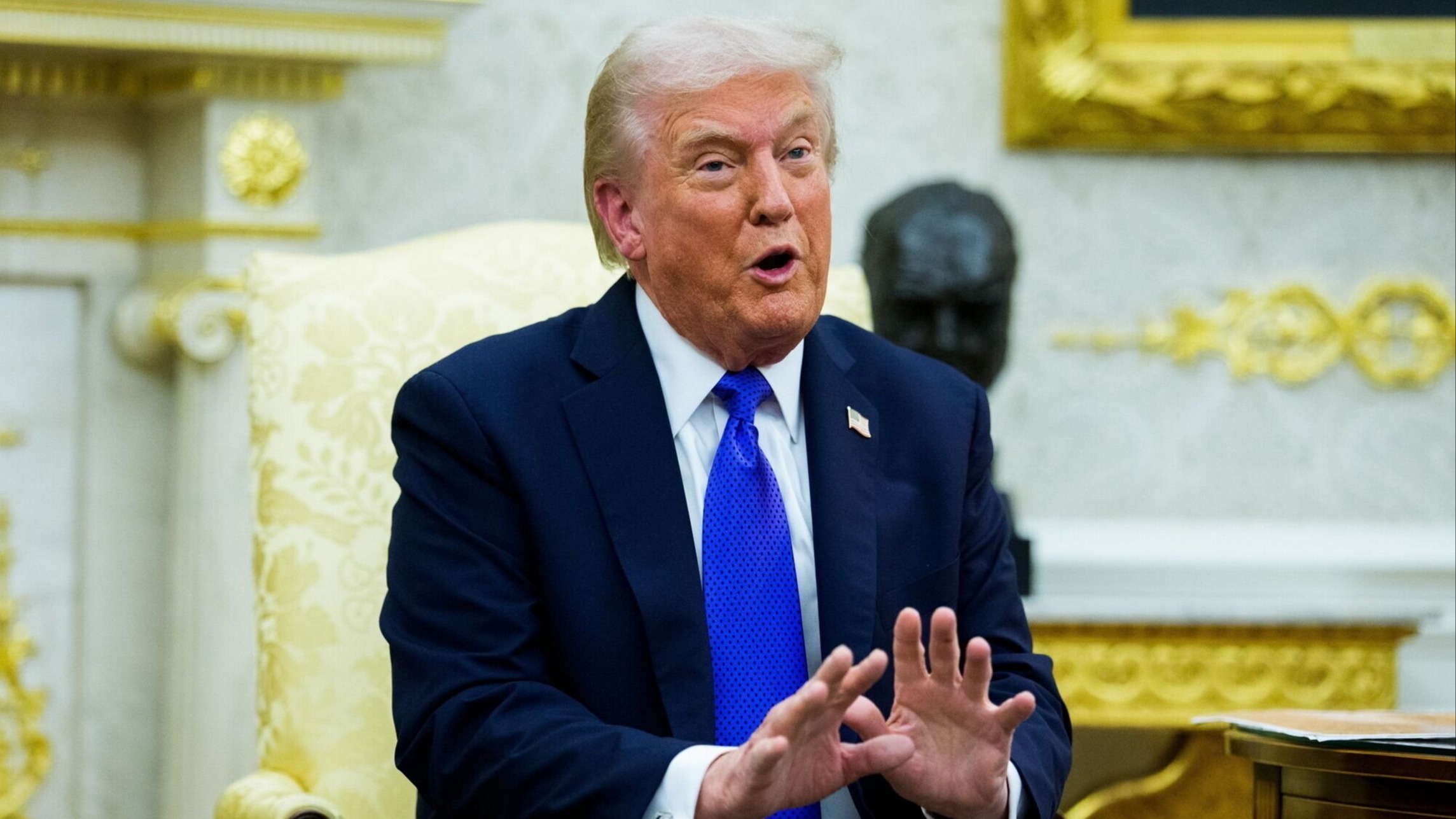
Trump, Harris and the US election’s impact on key asset classes
By Justin Onuekwusi

Despite the noise around the presidential election, it’s crucial for investors to avoid making decisions or predictions based on rhetoric, and instead stay focused on their long-term goals.
Half of the world’s population has been heading to the polls during 2024, which is shaping up to be the most consequential election year in history.
The US election is arguably the most significant of all, with investors globally on tenterhooks awaiting the outcome. Despite this, making changes in portfolios based on potential future policies is hugely challenging and unlikely to be rewarded.
The result hinges on the fate of seven key swing states — dubbed the “Magnificent Seven States” — Pennsylvania, Arizona, Georgia, Michigan, Wisconsin, Nevada and North Carolina. These states hold crucial electoral votes, and their highly competitive nature makes them decisive in determining the next president. Polling data reflects a race too close to call, amplifying uncertainty and driving significant market volatility as investors prepare for starkly different policy trajectories under Donald Trump or Kamala Harris.
While both candidates propose ambitious fiscal agendas that could increase government borrowing, their broader policy approaches diverge greatly. With the US the world’s largest economy and the key player in global markets, the outcome of this election will not only shape US domestic policies but could impact everything from global economic growth and inflation to fiscal and monetary policy, international trade and foreign relations.
A second Trump presidency is expected to focus on deregulation, corporate tax cuts and increasing tariffs, particularly on China. This would potentially give a short-term boost to industries like traditional energy, financials and defence that thrive under relaxed regulations. However, it raises concerns about long-term geopolitical instability and fiscal discipline, with sectors tied to international trade, such as tech and consumer goods, at risk of experiencing heightened volatility as tariffs rise.
A Harris administration, on the other hand, would likely emphasise social inclusion, climate action and economic equity. This could lead to increased regulation, creating initial headwinds for sectors like fossil fuels and tech. However, it could also unlock substantial growth in green energy, positioning companies in solar, wind and battery technology for significant expansion.
Ultimately, however, this election is about more than just the presidency. The ability to implement significant policy changes will depend not only on whether Mr Trump or Ms Harris wins but also on the composition of Congress. A divided Congress, as we’ve seen in recent years, could constrain sweeping policy changes, while unified control by one party, which would most likely be the Republicans, would pave the way for more effective legislative action.
Bond turbulence
One of the most pressing concerns, regardless of the outcome, is trajectory of US debt. While a Trump presidency, with its focus on fiscal expansion, rising tariffs and deregulation, would likely lead to the most inflationary outcome, Ms Harris’ term is also likely to lead to greater spending increases. As such, both candidates’ policies are expected to exacerbate fiscal challenges, putting the bond market under scrutiny. While a UK-style major bond sell-off is not anticipated, ongoing turbulence in the bond markets leading up to and beyond the election seems likely. The return of a term premium in US bonds and maybe even global bonds driven by uncertainty around future inflation expectations may appear. As a result, global bond yields may begin to price in this risk over the medium-term.
Turning to equities, history shows US equities often exhibit volatility in lead-up to closely contested elections, like this one, typically slightly declining before rallying once the outcome is clear. Any volatility is likely to reverberate throughout the world given stock concentration of the US in global markets, but historically the magnitude of moves is not that significant. Interestingly enough, despite the ongoing uncertainty, equity markets have performed strongly leading up to this election, relative to history. However, with less than two weeks to go, we expect heightened volatility as November 5 approaches.
Backfiring strategies
When looking at past investor behaviour data around elections, there is a clear trend of investors moving funds from equities and into cash, with this trend reversing in the year following, once the result is certain, according to Capital Group. However, this strategy is likely to backfire. Consider Mr Trump’s 2016 victory: despite widespread pre-election warnings of a recession, markets surged. Capital Group data shows individuals who try to time the market in the three-year period around elections experience returns that are, on average, 10 per cent lower than those who remain fully invested. Investors should heed this lesson: making decisions based on election rhetoric is risky and often destructive.
As for the dollar's status as a reserve currency, despite speculation about its potential decline, neither the euro nor the Chinese renminbi pose a credible alternative in the foreseeable future. We expect the dollar’s dominance to remain intact no matter the outcome.
Despite the noise, it’s crucial for investors to avoid making decisions or predictions based on rhetoric, and instead stay focused on their long-term goals. Assessments of the impact on asset classes should be taken with a pinch of salt. Policymakers have shown time and time again there is little certainty in their actions, making subsequent market predictions on the back of unknown policies even harder to anticipate.
By maintaining a disciplined, diversified approach, investors can manage concentrated risks and avoid overreacting to short-term market moves.

Justin Onuekwusi, chief investment officer, St. James’s Place