AI and impact investing: a powerful partnership or risky bet?
By Jasper van Brakel

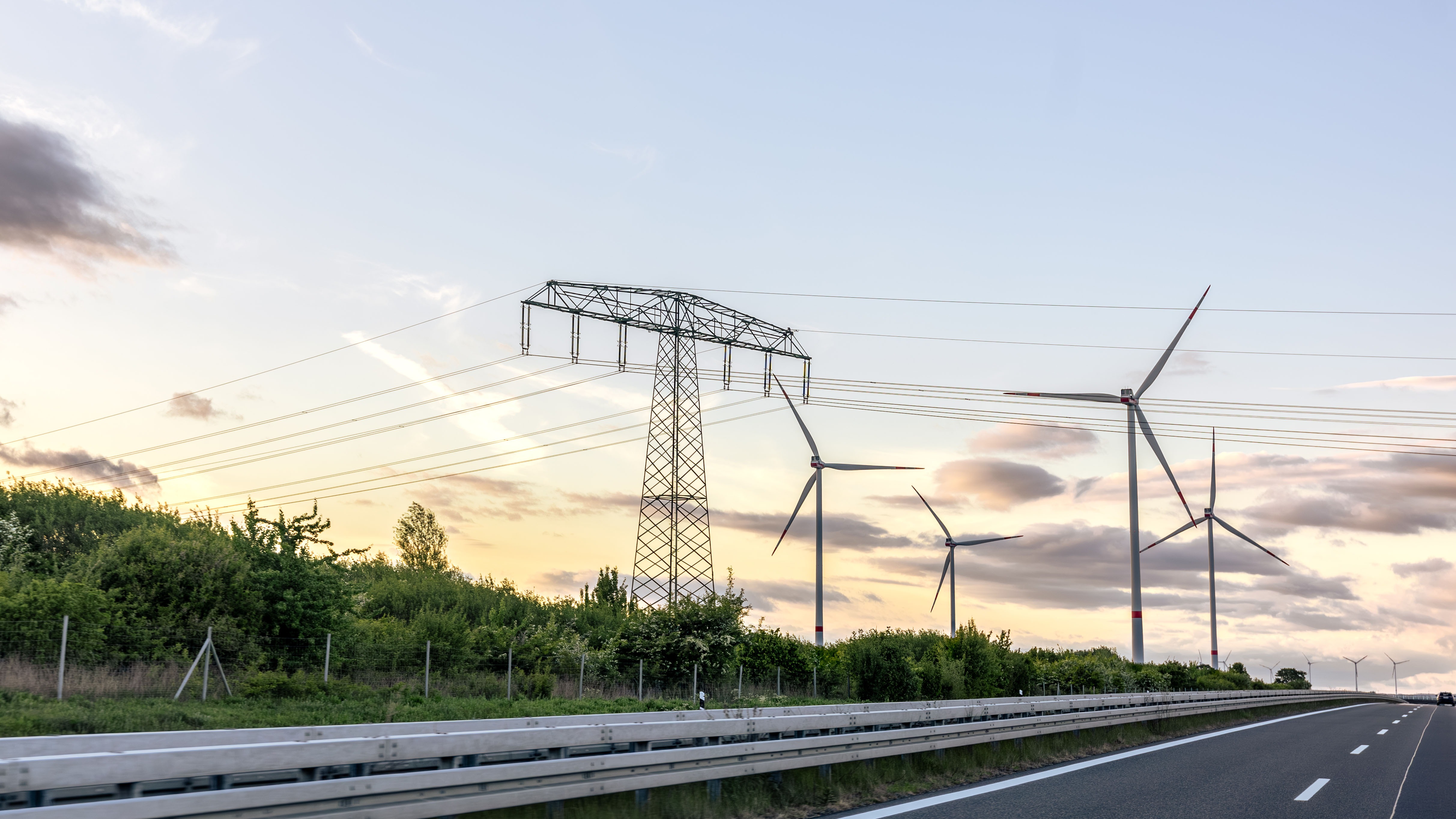
While AI can help figure out key metrics in impact investment, building data centres requires huge amounts of natural resources which can swing the balance in a negative direction.
As the tentacles of artificial intelligence (AI) reach further into the finance sector, they will surely touch the largely bespoke world of impact investing. Values-driven investors and their advisers are just beginning to consider the potential of this encounter, for good and for ill. There are several key questions which they are starting to ask themselves.
Will more analytically informed climate investments accelerate climate change? Can AI tools create perfectly tailored impact portfolios? Can AI data fill the gaps in impact measurement? Will values-driven clients leave their advisers for bots? If that last question sounds hyperbolic, see this New York Times article about a woman who fell in love with her AI boyfriend.
Ask ChatGPT how AI will influence impact investing, and it will generate a robust list of benefits: improved data analysis, better impact measurement, enhanced risk management, optimised portfolios and predictive insights. Those upsides are all plausible, but so are a host of related downsides, which go unmentioned by the bot. Both sides deserve consideration.
Environmental impact
AI applications can increase energy efficiency and provide essential data for climate action. For example, the Climate Trace coalition is using AI and machine learning to determine exactly where greenhouse gas emissions are coming from and identify high-impact targets for reduction.
At the same time, AI is a voracious consumer of natural resources. As the UN Environment Programme points out: “The proliferating data centres that house AI servers produce electronic waste. They are large consumers of water, which is becoming scarce in many places. They rely on critical minerals and rare elements, which are often mined unsustainably. And they use massive amounts of electricity, spurring the emission of planet-warming greenhouse gases.”
Big tech companies are investing billions in cleaner data centres, and perhaps that will tilt the balance in AI’s favour, but right now, some question the ethics of incorporating AI into any aspect of impact investing.
Investment decisions
AI tools can efficiently construct portfolios matched to investors’ priorities, analyse existing portfolios for risks and performance against impact goals, and perhaps even model performance in the case of a ‘black swan’ event.
AI’s data analysis capabilities could also provide a valuable check on investment decisions and generate insights that refine or challenge conventional standards and assumptions. AI could help figure out the factors most important to making certain types of ventures successful, or at least evaluate investments in a less biased fashion than the all-too-common approach of: “We know the leader of this venture and they’re great, and so they’ve probably got their house in order.”
That’s the optimistic case. Alternatively, AI investment analyses could embed current biases more deeply by giving them the sheen of quantitative proof. And if AI leads to cookie-cutter decision making, innovation will suffer. To mitigate these risks, we need transparency from AI providers about the modelling, datasets, assumptions and limitations embedded in their tools. And ideally, users should be able to set their own parameters.
Filling the gaps
Assessing social and environmental returns remains a challenge across the spectrum of impact investments, from social enterprises to public companies. Smaller companies typically don’t have resources to satisfy multiple investor requests for metrics geared to different reporting systems. Big companies tend to choose for themselves which metrics to report on, not necessarily the most meaningful ones.
AI can help with these challenges. AI-driven tools are promising to make supply chains more traceable, and it’s reasonable to believe similarly automated data collection applications can relieve reporting burdens related to other impact metrics, though new tools may raise extra privacy and security concerns. Nothing is simple in this area.
The even greater complexity is figuring out what to measure to determine the full impact of social and environmental investments, which often play out over long time frames and have multiple ripple effects. AI will likely help tease out key metrics, again with a caveat: it won’t necessarily free us from the trap of making decisions based on what we can most easily measure, rather than what matters most.
That is the crux: AI runs on pattern recognition, while the point of impact investing is to break free from patterns that won’t bring us the future we want. There are valuable applications for AI in impact investing. But we must guard against risks of decisions driven by algorithms and permutations of existing knowledge, rather than by the creative and imaginative forces of the human spirit and the empathy and compassion of the human soul. Prioritising those forces is core to impact investing, and that imperative can’t be offloaded to bots.

Jasper van Brakel CEO of Regenerative Social Finance