Wealth firms must transform strategy to woo family offices
By Yuri Bender

Investment and wealth managers used to pushing product need to develop an empathy with wealthy families if they are to penetrate this increasingly lucrative client base.
Issues around moving assets and responsibilities to the next generation are a perennial problem with wealthy families, highlighted by business clans such as the Murdochs and TV programmes including Succession.
For US wealth manager Northern Trust, working with families to arrange a smooth handover is one of the key responsibilities of the firm, which sees efficient management of investments as only part of its broader remit.
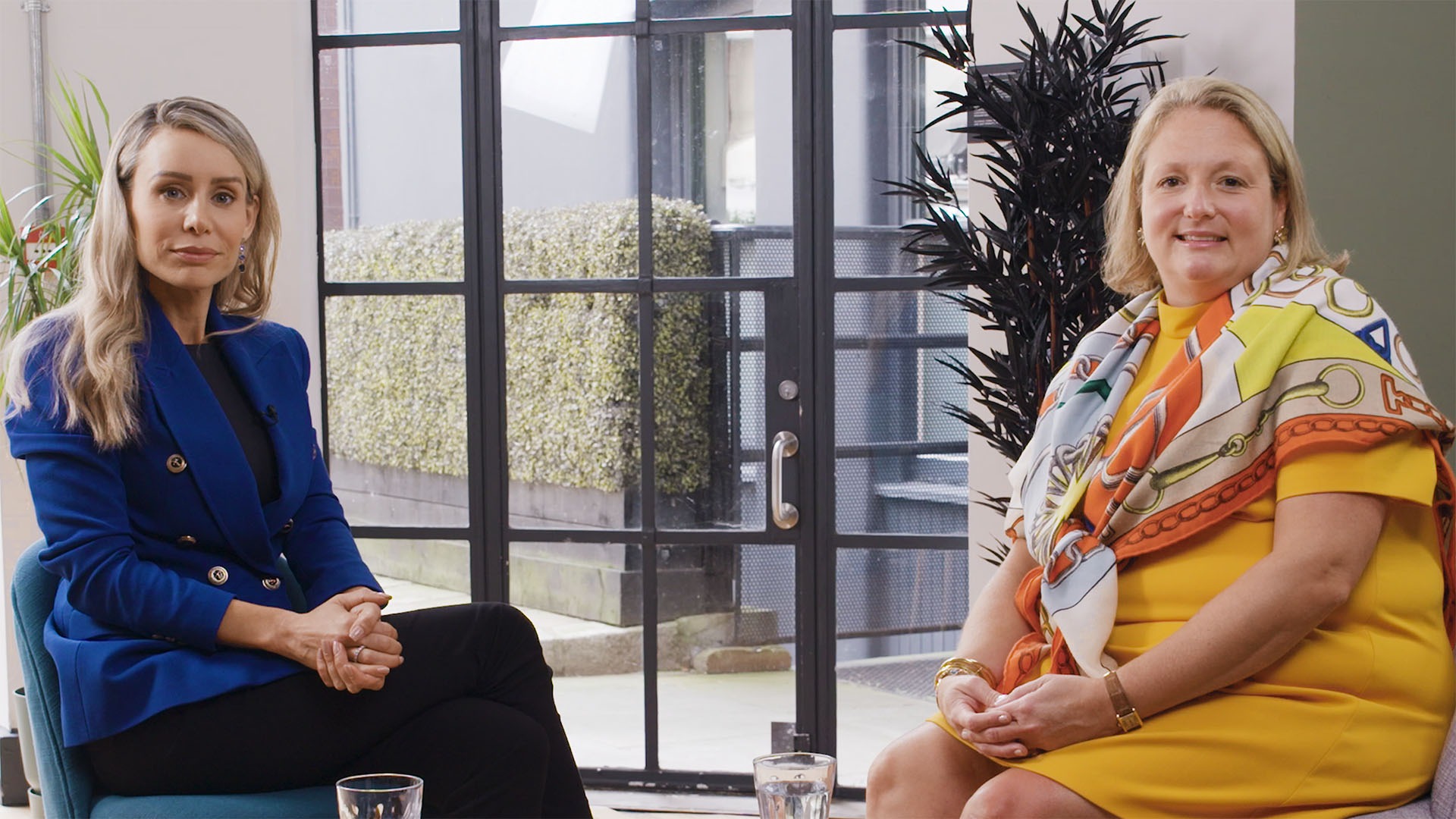
Speaking during a visit to the bank’s European headquarters at Canary Wharf in London, Northern Trust’s president of global family office business Dave W. Fox Jr shares stories of the conundrums many wealthy families face.
The main problems emerge, he says, when families “have not done the work in advance” to prepare for a handover of power. “I chaired a US panel discussion recently about the family office 2.0 and how you actually make that generational transfer effective,” he recalls. “One of the things that emerged was the idea of the family office as this entity, that their father or grandfather controls. It’s opaque, no one ever gets to see the inside of it and they have no input into it when things fall apart.”
Carrying a family legacy forward can be an onerous responsibility, he suggests, with many family members unable to handle the weight. “Some people rise to the occasion,” he says. “Others just want to go on vacations and drive nice cars.”
The typical answer to this challenge from younger family members concerned about whether business and investment interests can survive into the third or fourth generation is to set up a “satellite” office. “They are allowing the centre to carry on with taxes, accounting and maybe some pooled investments,” says Mr Fox. “But they’re also saying: ‘My philanthropy and all the touchy feely stuff I want to do day to day – you’re not doing that and I have my own people to do that, because they understand my needs and concerns.’”
Clan plan
This causes problems in larger families, worried about the whole clan disintegrating. He talks about one of his clients, for whom Northern Trust manages “substantial wealth and I mean billions of dollars”, where after the patriarch died, one next generation leader wanted the family to turn exclusively to philanthropic work and a sibling rival was “more entrepreneurial, investing in businesses and things of that nature”, leading to several new branches, away from the existing core operation, set up by younger family members.
“You’ve seen that happen to really big families over time,” he says. “They are just splintering apart, particularly the really, really wealthy ones.”
Rather than waiting until a family founder passes on, plans should be laid in advance to hand over power at the top of the organisation, he says. But making an independent succession decision can prove trickier than anticipated for family leaders. “Their favourite child could actually be the one worst equipped to run the family business,” he says. “But they’re entertaining and they like to have them around. So I don’t think the patriarch is always the best to determine who the successor should be.”
While high-profile TV dramas about bickering brethren have some basis in reality, they do not always reflect inner workings of major families. “Obviously it’s a lot more interesting to have a Murdoch-style story, where he’s playing off his kids and all the rest of that stuff,” says Mr Fox. “But most of our families do a lot of planning and well in advance.”
Despite fragmentation of most business clans, a common mission statement prominently displayed at HQ, together with pictures of key family members can help boost some togetherness. But he is also looking to new technology to help boost family legacy.
Captivating ideas
Northern has also being working with the StoryFile technology pioneered by the USC Shoah Foundation, which allows today’s young people to hold dialogue with previous generations – including Holocaust survivors.
“As this technology gets more advanced, future generations will be able to actually sit down with the original creator and ask, ‘why did you get into this business? What was the turning point for you? Why are you so big on philanthropy?’”
Younger family members will be able to get answers to their queries directly from the founder. “I think this is going to revolutionise the way family offices pass those mission statements onto their kids. Some families are already captivated by this idea,” says Mr Fox.
For the biggest wealth managers, this shift to “softer” issues of family governance is a relatively recent one, according to John Schuman, partner and head of wealth transfer at US firm Corient.
“Large investment managers traditionally focused on investment and have now seen the need and demand of clients for good counselling in succession planning,” says Mr Schuman, who believes it is a mistake for wealth managers to start with the dynamics of managing the portfolio. “They should start with the client’s goals and objectives. Everything flows from those client statements,” he says. “The portfolio is simply another strategy that furthers the client’s objectives.”
This is a transformation taking place across the wealth management space, he believes. “The investment industry is just waking up to the idea that simply having an investment strategy that’s not tied to the client’s overall objectives is not valued by clients and really is more of a commodity to be purchased,” believes Mr Schuman.
With an estimated $70tn transfer of wealth expected to the next generation, “discussing next gen and succession planning makes good business sense to continue management of those assets,” he adds.

High returns
But a rival school of thought suggests managing money for high returns is still the core focus of the main wealth management players, with succession planning and next generation transfer presenting a new marketing opportunity for many firms.
“Wealth management firms will always have a strong focus on investment management as advice on how to invest is at the core of the industry,” says Heather Flanagan, former head of private wealth solutions at HSBC, now head of family office services at Wealthspire Advisors in New York. “Additional focus on addressing and managing comprehensive advice and services for individuals and families regarding all aspects of their lives has become a focus of marketing in recent years. as the perception of investment management has become commoditised.”
Developing strong capabilities in advice centred on the family, she says, is a way for firms to articulate their “unique value” and target the client segment they believe they can best serve. While serving family offices will now become a strategic priority of private banks and investment manager, Ms Flanagan urges these players to learn how to better deal with the mentality of multi-generational families, rather than continuing to push product, which is the instinct of most manufacturers.

“Much of our industry is tied to incentivising people to sell products,” she admits. “However, if the business actually values these additional services and sees them as integral to the delivery of financial services at the firm, investments will be made and these service departments and professionals within them will be valued appropriately.”
Fund managers are increasingly seeing family offices in their target sights. “What you tend to find with family offices is they take on the personality of the founder,” says Charlie Jewkes, head of sales to global wealth firms at asset manager Aviva Investors. “So to offer them an investment strategy, you need to be really empathetic to that identity.”
He gives the example of a major family office client in continental Europe. “Everything they do is about sustainable investing, that is their thing, what they are explicitly looking for,” he says. These large family offices always have a team of fund selectors, closely monitoring products. They are not easily pleased, particularly when it comes to ESG funds.
“They are acutely aware of greenwashing,” says Mr Jewkes. “We had a close look at the brands they invested in and could see they picked some really genuine high quality. Every family office is different, but they are looking for conviction and belief and respect for what they do in that space.”