
Wealthy Americans are reimagining wealth and life outside the US
Ann Marie Regal

A quiet but profound shift is underway among wealthy Americans. It is not just about money — it is about mindset. Increasingly, high net worth individuals are looking beyond US borders not only to invest, but to live, raise their families, and rethink what it means to be secure, wealthy and free.
For years, the US financial system — with its world-beating stockmarket and dollar dominance — offered what seemed like all the diversification anyone could need. But today’s globally minded Americans are realising that wealth means more than strong portfolio returns. It means optionality. It means autonomy. It means being able to live in Lisbon, raise kids in Singapore, own property in Mexico, and still feel like your financial life is coherent.
Traditionally, US investors have been deeply domestic and understandably so. The American market is liquid, deep and historically high-performing. But that strength has also bred a kind of insularity. Many advisers still operate in a purely national mindset, treating overseas opportunities as fringe or fraught. That is changing fast.
Part of the shift is practical. Technology and remote work have dissolved the need to be physically tethered to the US. The Covid-19 pandemic accelerated this, but the trend was already in motion. Americans can now book an apartment in Barcelona, find a tax attorney in Tokyo, and interview financial advisers in Zurich — all before finishing their morning coffee. What once took months of legwork and insider contacts now takes a smartphone and Wi-Fi.
Technology and remote work have dissolved the need to be physically tethered to the US
But the deeper driver is cultural. More Americans are traveling than ever before — and not just to resorts. They are seeing how others live, work and retire. They are realising the world is not nearly as dangerous or dysfunctional as the news might suggest. For many, these experiences are cracking open long-held assumptions about what is and what is not “normal”. Why do we accept the cost of healthcare in the US? Why do we assume retirement has to be delayed until 67? Why is ‘home’ defined by borders which someone else drew?
The awakening of wealth
This awakening is feeding directly into how Americans think about wealth management. Increasingly, they want more than market exposure. They want resilience — against political risk, currency instability and even domestic policy swings. They want a life not overly reliant on a single government, tax code, or healthcare system.
But wanting to go global and knowing how to do it are two different things. US laws like the Foreign Account Tax Compliance Act (FATCA) have made it needlessly difficult for Americans to open accounts overseas.
Intended to catch tax evaders, FATCA has mostly penalised honest, globally curious citizens. Many foreign financial institutions will not take US clients at all, fearing the compliance burden and reputational risk. It is a policy that speaks volumes: the US system may no longer be designed to serve financially mobile citizens — it is designed to contain them.
Still, the determined are finding workarounds. Some work through US-registered advisers with international offices. Others open accounts in more accommodating jurisdictions — like Singapore or Switzerland — through locally licenced advisers, who are also SEC-registered. Brokerage platforms have stepped into the vacuum left by the major US brokerages, offering low-cost currency conversion and direct access to global exchanges. For serious investors, this is a game-changer.
But let us be clear: going global is not plug-and-play. Many foreign mutual funds and ETFs fall under the IRS’s punitive Passive Foreign Investment Company (PFIC) rules. Investing in the “local flavour of the month” fund in your new home country could saddle you with tax liabilities far worse than any market loss. Without cross-border expertise, even well-meaning financial decisions can backfire.
Reasons to be cheerful
And then there’s the lifestyle piece. Medicare doesn’t travel. Most US estate plans don’t align with foreign inheritance laws. Real estate laws vary wildly. That villa in Tuscany? It may be a bureaucratic and maintenance nightmare. These are not reasons to stay put — they are reasons to plan better.
Anyone can buy a residency, but fewer know how to structure their finances for long-term success once they are there
The good news is that planning is no longer the exclusive domain of the ultra-wealthy segment. Yes, some families may go as far as setting up foreign family offices. But for most Americans, the more realistic path is finding an adviser who understands both US tax law and the local financial landscape. These advisers do exist. Many are American expats themselves, operating abroad with local licences and US regulatory oversight. In a globalised world, that is not a luxury, but a necessity.
And while second passports and golden visas monopolise the headlines, a good plan is still more valuable than a good passport. Anyone can buy a residency, but fewer know how to structure their finances for long-term success once they are there. The real barrier to going global is not legal, it is mental — the outdated belief that complexity equals risk, or that ‘foreign’ equals ‘unsafe’. The truth is, that what is risky is actually not adapting to the changes.
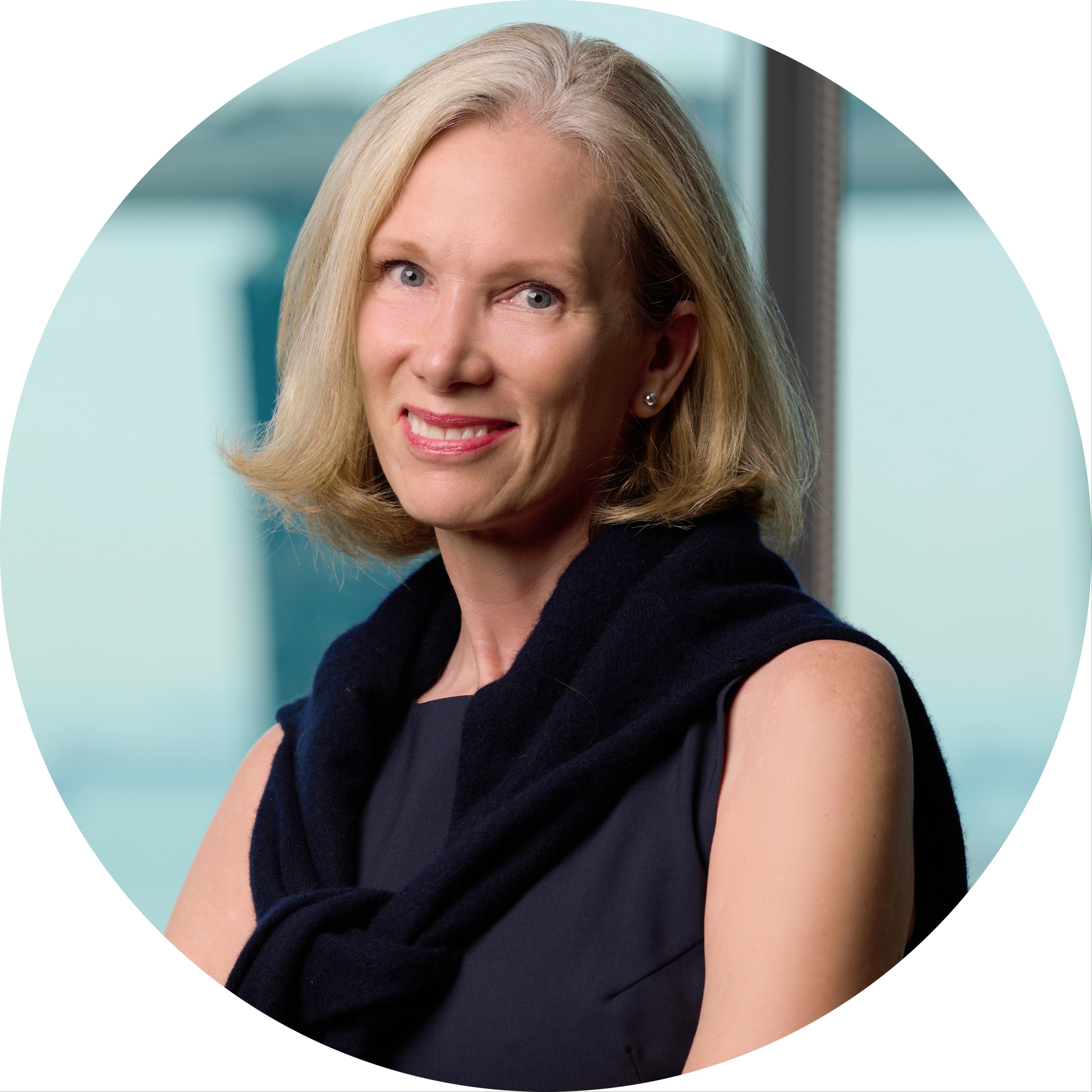
Ann Marie Regal, CEO and founder of Avrio Wealth in Singapore