Private View Blog: Succession planning - learning from the Roy family
By Steve Sokić

Heads of families should get their affairs in order if they are to avoid falling into the same trap as Logan Roy in the TV show Succession
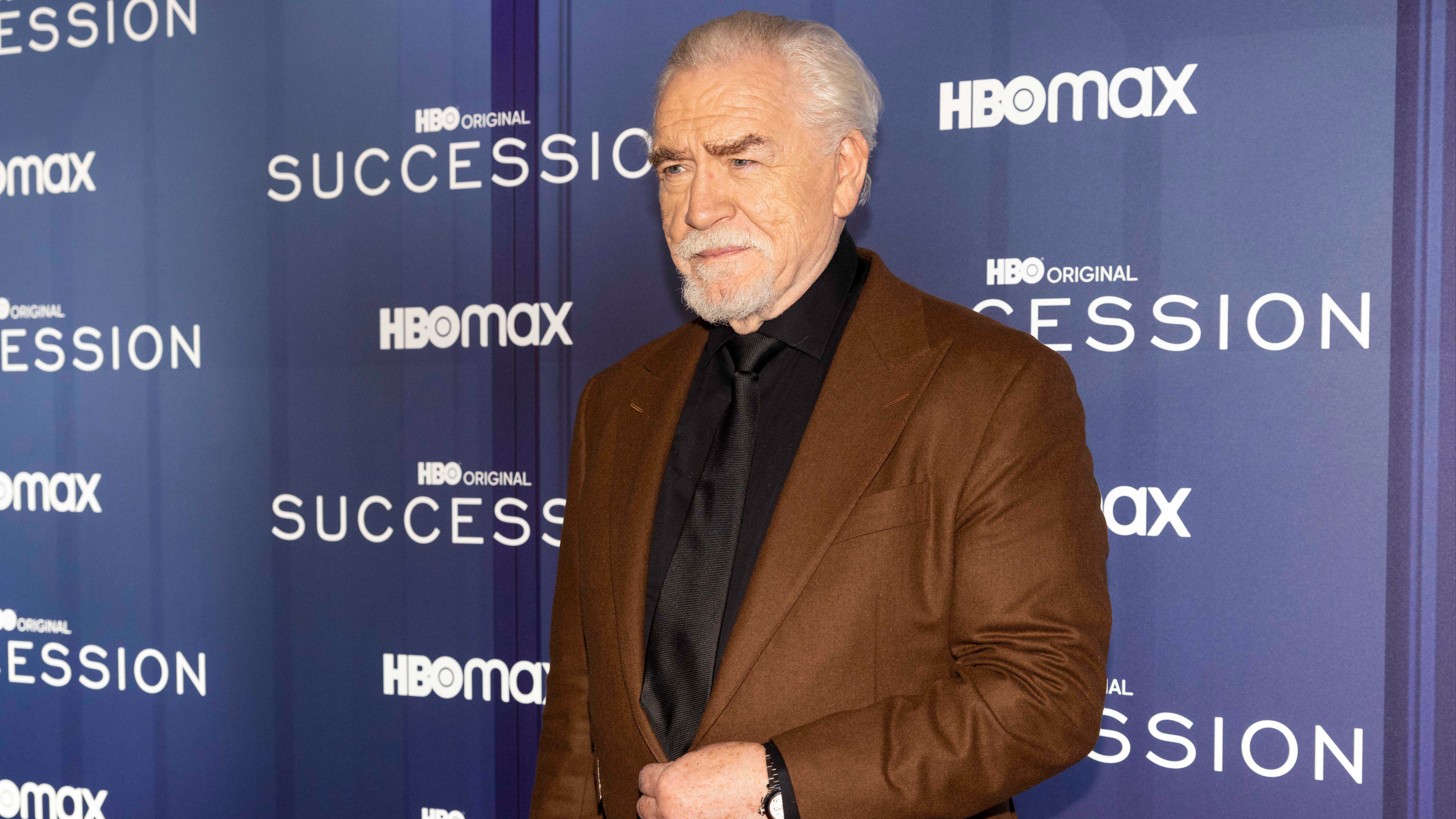
When Logan Roy, head of the Roy family and CEO of Waystar Royco, collapsed from a sudden and serious stroke on HBO’s hit show, Succession, his family and business fell into disarray. Without any clear succession plan, the family power struggle boiled over into the public realm and both the share price and reputation of Waystar Royco spiralled downwards.
Since the onset of the Covid-19 pandemic, more and more heads of families are realising that falling seriously ill and potentially being incapacitated is a very real reality. However, single family or multi-family offices don’t need to follow in the footsteps of the Roy family’s drama or uncertain future if they get their affairs in order before the crisis happens.
The generational wealth transfer has been fast approaching for years. Now that it is finally upon us, family offices need to restructure the family business, investments and office to include the younger generation, ensuring they have enough time to get up to speed with the inner workings.
Perhaps the biggest mistake Logan Roy made wasn’t necessarily the legal holding structure, but rather failing to agree upon a succession plan with his family. According to Wealth X and IQ-EQ, as much as $15.4tn of wealth from individuals with a net worth of $5m or more will be transferred from the older generations to the younger generations over the next five years. This is becoming an increasingly complex task.
Globalisation has meant that families have members and assets – such as real estate, digital assets, and bank accounts – spread right across the globe. This brings a range of risks that need to be mitigated, including succession laws, marital regimes, privacy concerns, tax rules and other regulatory and compliance obligations. Some family offices are turning towards specialised outsourced providers to provide the family with a succinct overview of their assets.
Although Logan Roy refuses to accept Kendall’s suggestions for new business ventures as the season progresses, family offices have to adapt to the future, building a foundation for the next generation to succeed. The younger generation often has different priorities than the previous, such as impact and ESG investing, digital assets, and direct or co-investing.
As decision making power is handed over to younger generations, money allocated to impact investing will continue to grow. According to UBS’s Global Family Office Report, 56 per cent of family offices are already investing in impact or ESG assets, particularly in Western Europe where 72 per cent of families are investing sustainably investments, compared to 26 per cent of US families. Sustainable investments are primarily driven by their positive impact on society (62 per cent) with roughly half (49 per cent) seeing it as the main way to invest in future.
In addition to sustainable investing, the hype around digital assets, from non-fungible tokens to bitcoin, is not going away. While most family offices are testing the waters with some crypto exposure, increased regulation will only increase interest. The world of digital assets is still muddled. Family offices need to understand how to verify source of wealth and how to structure them within a trust or other holding vehicle.
Compared to traditional asset managers or private equity shops, family offices enjoy more investment flexibility, increasingly utilising institutional-like practices. This means directly investing in assets or co-investing with other families, bringing them in direct competition with private equity funds. Driven by an increase of wealth globally, this trend will continue to snowball, as family offices are more likely to bring the investing decisions of a family office in-house, but outsource the administration and execution.
Besides watching Succession for entertainment, family offices should take heed from the show to begin the generational wealth transfer and avoid internal succession crises. Looking ahead, family office wealth and the complexities they face will continue to increase and planning for succession far in advance of any health issues will help prevent the issues the Roy family is facing. After all, it’s much easier to build a house when the skies are clear than when faced with a storm.
Steve Sokić is group head of private wealth at IQ-EQ