Private banks eye shifting sands in Middle East
By Ali Al-Enazi

The Middle East is undergoing profound transformation, with implications for markets, regional stability, and key players’ power dynamics.
With the ceasefire in Gaza bringing much-needed respite to one of the Middle East’s key hotspots, regime change in Syria, and the arrival of President Trump, private banks are keeping an eye on what comes next.
Decisions made by regional and global leaders in the coming months could reshape the balance of power in this pivotal region, according to César Pérez Ruiz, head of investments at Pictet Wealth Management in Geneva.
Syria’s political landscape has undergone a dramatic realignment in recent months. The fall of the Assad regime has sparked celebrations across the Middle East, yet the region approaches the future with measured caution.
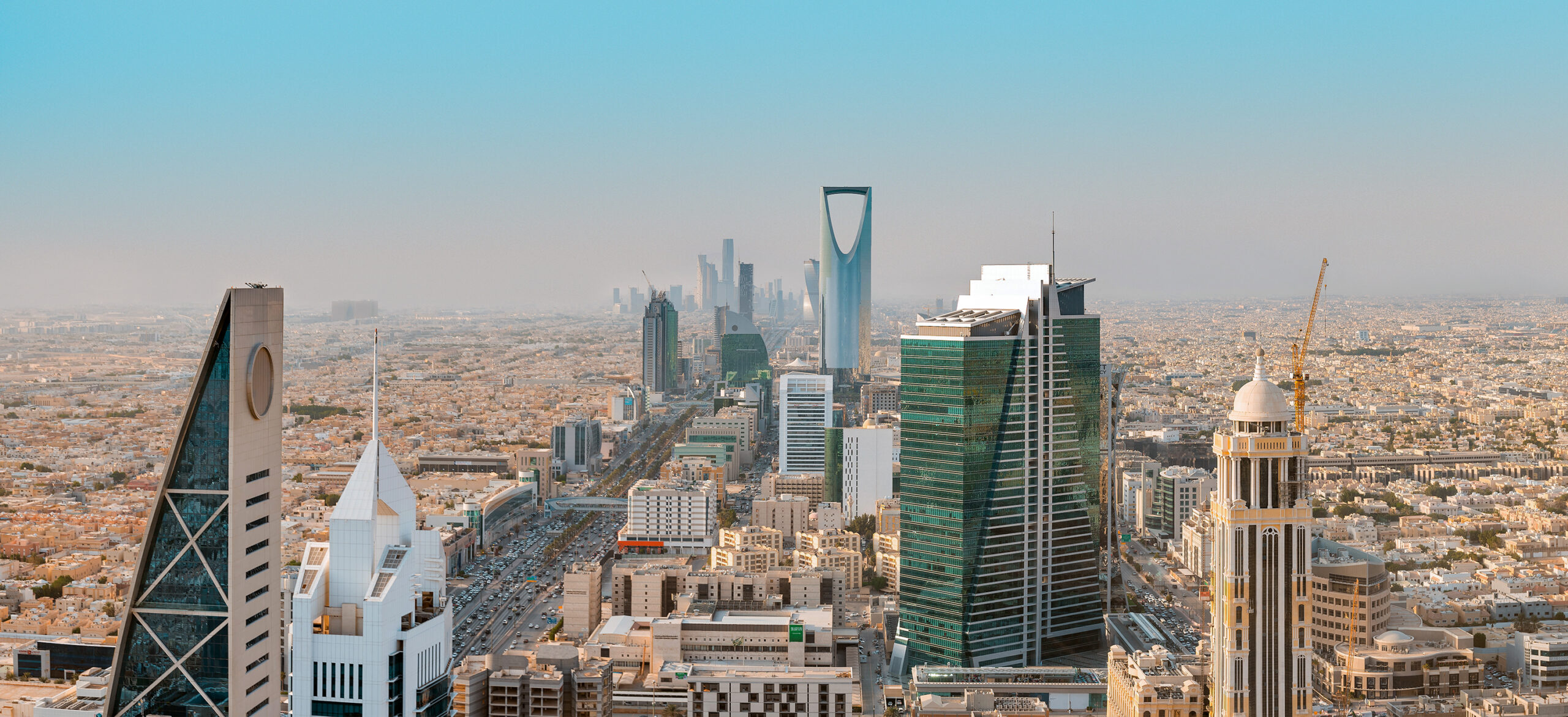
“The big winners in Syria's rapid collapse are Saudi Arabia and Turkey, who now hold greater influence in the region,” says Mr Pérez Ruiz. “Saudi Arabia needs regional stability to support its massive investments. Prolonged instability will deter investors, especially with events like the World Cup on the horizon.”
Historically, Saudi Arabia has been a strong supporter of the anti-Assad opposition. The oil-rich country could see this as an opportunity to rebuild Syria. Turkey has also been a steadfast supporter of the Syrian opposition. With Bashar al-Assad having been ousted, Turkey gains more influence in Syria, potentially encouraging some 3.6m Syrian refugees living in Turkey to return home.
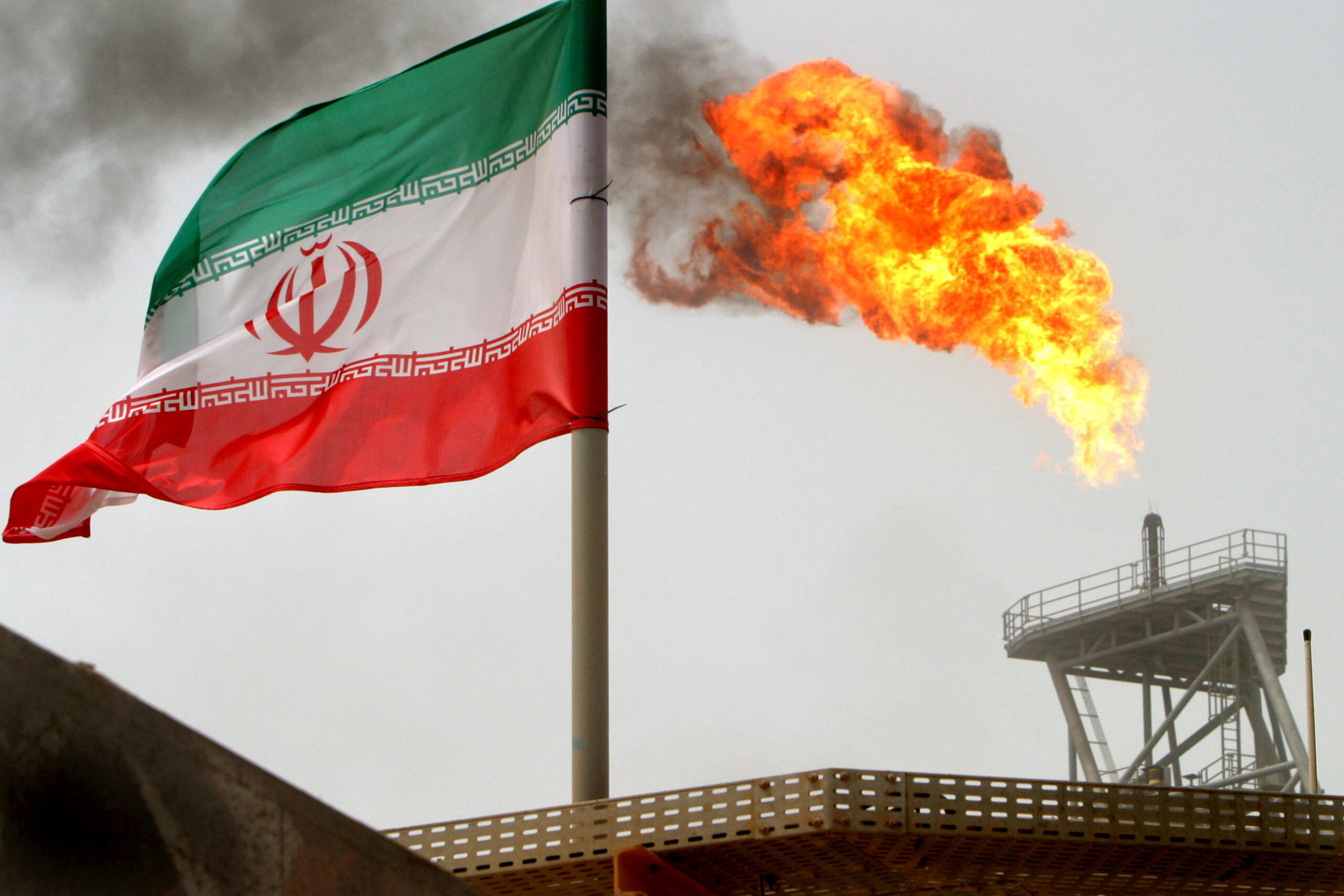
However, this might also be seen as an opportunity to reduce Iranian influence in the region, as Iran was a key ally of Mr Assad.
"The surprising thing about Syria's fall was how fast it happened — just 10 days — and why Iran didn’t intervene,” says Mr Pérez Ruiz. “Some say Iran was overstretched, but I don't think so. Iran was happy to help them [the Assad regime] but not fight for him.”
Solid track
With this new backdrop and pattern of alliances emerging, Swiss banks are beginning to tentatively back opportunities in the Middle East.
“We forecast a growth rebound in 2025 in the Middle East amid tame inflation and moderately lower central bank rates,” says Nannette Hechler-Fayd’herbe, head of investment strategy at Lombard Odier Group.
“Not only is the non-oil economy on a solid track but the reversal of the voluntary oil output cuts will add meaningfully to growth,” she adds.
With this macroeconomic context, Lombard Odier foresees an upside in equities originating from Gulf Cooperation Council (GCC) countries. “Their valuations are not demanding, compared to history,” she says.
The Gulf’s real estate and bond markets remain well-positioned for growth, believes Ms Hechler-Fayd’herbe. “For GCC real estate, we continue to hold a positive view as the growth rebound and modestly lower interest rates should support local and foreign demand for properties in the region’s key urban centres, such as Dubai,” she says.
The outlook for GCC bond issuers is similarly robust. Credit fundamentals, especially among corporates, are solid, and high US dollar benchmark yields offer potentially good entry points. She also expects local currencies to strengthen.
However, there is also a note of caution to Lombard Odier’s forecasts. “Most GCC bonds, specifically corporate sukuks from crossover or high yield-rated countries such as Oman or Bahrain, look relatively expensive compared to other emerging market bonds,” warns Ms Hechler-Fayd’herbe.
Overall, the bank clearly sees “huge” potential in the Middle East. “Where previously the majority of wealth was created through oil and gas, we are seeing more and more businesses emerging outside of these sectors,” says Ali Janoudi, head of new markets at Lombard Odier Group.

Entrepreneurial hub
“The region is a hub for entrepreneurs, many of whom are building profitable enterprises in the Middle East which are then seeing international success,” he adds. Against this “thriving” backdrop of economic growth and entrepreneurial activity, more wealthy individuals are “choosing to relocate to the Middle East”.
These trends are reinforced by governmental initiatives in the UAE and Saudi Arabia. In the UAE, the government’s push for economic diversification beyond oil has opened new sectors like technology, renewable energy and tourism, says Mr Janoudi. “Strategically situated between East and West, the countries are prime destinations for international businesses,” he believes.
Some commentators also see positive signs in Lebanon. “This is the first time I feel there is some hope for the country,” says Gerard Aquilina, a former regional boss at Barclays, HSBC and Merrill Lynch, with family roots in Lebanon.
Key factors include the weakening of Hizbollah, diminishing influence from Syria and Iran, and emergence of a leadership that appears unwilling to bow to Hizbollah’s demands. “An excellent president and prime minister — neither of whom want to kowtow to Hizbollah,” he adds.
The country’s reconstruction needs are vast, with damaged infrastructure worth more than $9bn requiring substantial regional and international support. Even Hizbollah, he suggests, understands this reality as Iran’s capacity to provide financial assistance has dwindled. “The Shia community needs this aid, and Hizbollah knows it, given that Iran can’t help anymore like before,” he says.
While yields on Lebanese government bonds indicate a degree of cautious optimism, the former banker tempers his hopes for recovery and pragmatic leadership with a hint of realism. “It’s still the Middle East, and stupid things are the norm,” he says.
Changing dynamics
The imperative to diversify away from oil has taken on renewed urgency with the arrival of Donald Trump at the White House. “He has made clear his ambition for the US to dominate global energy markets,” observes Kim Cornwall, a senior private banker, previously at Merrill Lynch and SG Hambros, now heading an educational consultancy for wealth managers.
“The US is already the world’s largest oil producer, and its footprint in the global LNG market is expanding rapidly. This poses significant challenges for economies heavily dependent on oil and gas,” he cautions. In recent days, President Trump urged Opec nations to bring down the cost of oil, he points out.
The fall of the Assad dynasty undoubtedly disrupts Iran’s regional strategy, the so-called “Axis of Resistance”, which includes allies like Hizbollah, tied closely to Iran, believes Mr Cornwall. “President Trump is overtly pro-Israel and certainly more so than President Biden. Iran is in the crosshairs and in a precarious position both at home and abroad,” he says.
With a weakened Iran and emboldened Israel, the dynamics of the region could be shifting.
“[Israel’s prime minister Benjamin] Netanyahu needs to make a decision now,” says Pictet’s Mr Pérez Ruiz. He can go for “regime change”, but it would have to come “from within” due to Iran’s geography making it difficult to invade.
As that might not seem possible, Mr Netanyahu could “cut the production of oil” in Iran by hitting the deposits where it is all stored; he can hit the ports or the facilities. “If he does one of these three, we will know that Israel really wants to go for a regime change in Iran,” says Mr Pérez Ruiz.
As the collapse of the Assad regime unfolded, president-elect Donald Trump reiterated that Syria is "not our fight" and that the US should not get involved. This aligns with his broader "America First" policy, which emphasises avoiding entanglements in foreign conflicts.
“Trump doesn’t like wars,” says Mr Pérez Ruiz. “In Trump 1.0, the biggest oil facility in Saudi Arabia was attacked by drones. In normal circumstances, Trump would have fought for them but didn’t,” he explains.
Regime change complexity
Looking ahead, Mr Pérez Ruiz believes the US president is likely to discourage Israel from pursuing regime change in Iran due to the complexity and risks involved. Instead, he may push for targeted actions to neutralise Iran’s nuclear capabilities, allowing Israel to claim a strategic victory without escalating into a broader conflict. However, any strikes on Iran’s oil infrastructure could provoke retaliation against UAE and Qatari oil facilities, risking wider instability in the region.
“The Middle East has been very disciplined with Opec+, but the big risk for oil prices going down is the US's ‘drill, baby, drill’, adding 3m extra barrels,” he warns.
Russia, a key ally of the Assad regime and now host to the Assad family in Moscow, may face a recalibration of its regional influence. Its backing of Assad was a cornerstone of its strategy to secure a foothold in the Middle East and project power on the global stage. However, with Mr Assad’s departure, Russia’s ability to assert influence in the region appears significantly weakened.
Russia’s grip on the Middle East evaporated remarkably quickly believes Mr Pérez Ruiz, adding that this raises questions about Moscow’s next move. “It will be interesting to see whether they can retain their military bases,” he notes, referring to Russia’s strategic presence in Syria through its installations in Tartus and Khmeimim.
“I think now, given the situation and then having to ask for help from North Korea to fight in Ukraine, [president Vladimir] Putin has lost a bit of ground on that side,” he states.