Managing family wealth in an uncertain world
By Elisa Battaglia Trovato
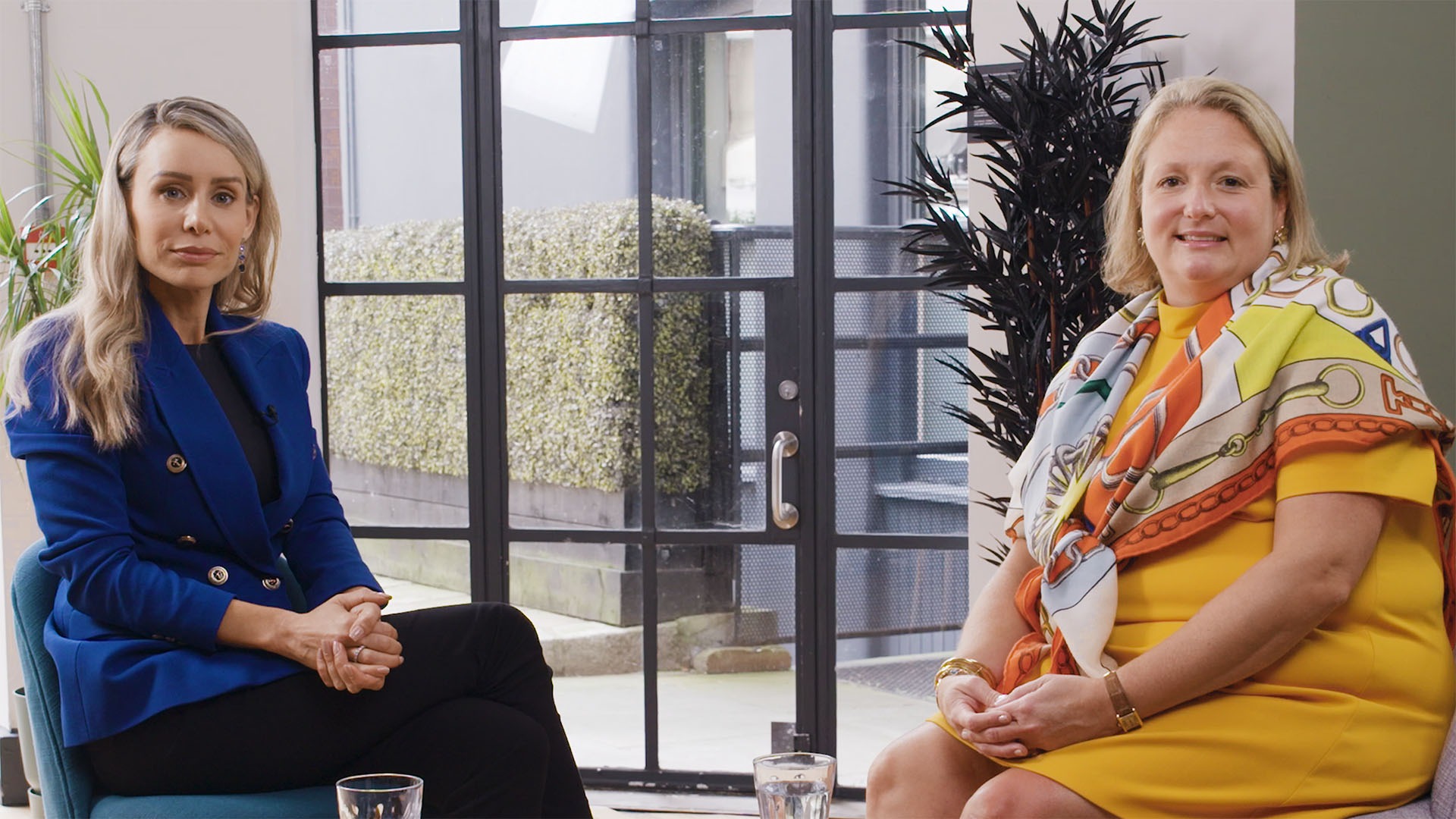
![“A reduced presence of wealthy families [in the UK] could impact demand for private schools, arts patronage, and broader community investments,” says Priyanka Hindocha from Stonehage Fleming](https://images.ft.com/v3/image/raw/https%3A%2F%2Fwww.pwmnet.com%2Fwp-content%2Fuploads%2F2025%2F01%2Fpriyanka-hindocha-web-.jpg?source=specialist-content-fe&gravity=faces&width=480)
The Labour party's election victory in the UK has reshaped the private wealth landscape, driving many families to rethink tax strategies, relocation and succession planning.
Last year’s elections sparked significant discussions among wealthy families about their future in the UK. Advisers spent months exploring potential scenarios and developing strategic plans for clients, though many opted to delay action until the October 30 election date, says Priyanka Hindocha, partner and head of UK family office, at international multi-family office (MFO) Stonehage Fleming.
“Some families left the UK before the Budget because of the lack of certainty,” says Ms Hindocha, who heads a 20-strong team of specialists with technical and legal expertise.
While some families are exploring ways to structure themselves to remain in the country, others are evaluating alternative jurisdictions, grappling with factors including work, family well-being, and Brexit-related visa challenges.
“Leaving the UK is not an easy thing to do,” she says. “There's a whole thought process behind where we want to live.”
Each jurisdiction comes with its own set of challenges. Italy’s €200,000 ($206,000) flat tax on global wealth, with no tax on offshore income, is appealing but the country faces concerns over policy stability and language barriers. Switzerland attracts retirees but is less suitable for younger families due to work restrictions. Monaco offers flexibility but struggles with limited real estate and high costs. Dubai, the US and the Channel Islands are also under consideration but come with their own challenges, says Ms Hindocha.
International relocation
The UK’s recent Budget introduced major changes to non-domiciled (non-dom) tax status and inheritance tax rules, reshaping the financial landscape for families and businesses.
Families have historically passed down businesses and agricultural land inheritance tax-free, subject to meeting certain requirements. The new rules will dramatically impact the future of family businesses in the UK and encourage short-termism, rather than long-term commitments, she predicts.
These shifts have broader economic and cultural implications. London’s property market, traditionally buoyed by wealthy buyers, may see a shift towards renting as families minimise permanent ties. Similarly, sectors such as private education and arts funding, which have long benefited from affluent residents, face potential challenges.
“England has always prided itself on its education system and cultural heritage,” notes Ms Hindocha. “A reduced presence of wealthy families could impact demand for private schools, arts patronage, and broader community investments.”
For families relocating internationally, the firm provides support to ensure smooth transition.
“We provide a ‘soft landing’ wherever clients end up,” Ms Hindocha says. “From tax filings to property acquisition and banking, local expertise ensures every detail is covered.”
Even after relocating, many families retain UK-based advisers for tax obligations like filings or inheritance tax, benefiting from the “specialised expertise” of London-based MFOs.
Flight risk?
- In 2024, the UK experienced a net loss of 10,800 due to migration, a 157 per cent increase from 2023. This ranks the UK second only to China in the number of wealthy residents lost, according to New World Wealth/Henley & Partners
Family-first
Beyond the Budget, an increasing number of families are seeking structured family office support.
“More often than not, families with their own offices turn to us for our expertise and network as a safety net,” she explains, adding that MFOs offer continuity through team-based support, avoiding ‘key person’ risk. Families and entrepreneurs also value insights into how others structure their wealth and engage the next generation.
Additionally, for families with assets below a certain threshold, typically $100m, it is often not cost-effective to maintain a dedicated office, says Ms Hindocha.
With £135bn ($165bn) of assets under administration and £20bn under management, her London-based firm serves as coordinator within families’ advisory networks, bridging the gap between private banks, accountants, tax specialists, lawyers and investment managers.
“Our role is to make sure everyone is doing what they’re paid to do, helping families manage complexities of their wealth with confidence,” she explains.
“We’re passionate about putting families at the core of our business. It stems from having the Fleming family at the centre of what we do and from the fact that, unlike many institutions, we don’t require clients to invest assets with us to work with us.”
Operating on a fee-based model, the firm allows families to access services such as investment management, offshore structuring, or purely strategic advice. Two-thirds of clients do not hold assets with the firm. “Our goal is to help families define the purpose of their wealth and achieve long-term objectives, wherever their assets are managed,” she says.
Engaging the next gen
Families frequently ask how to involve the next generation in managing wealth, instilling motivation while avoiding pitfalls of entitlement. “It’s something we’re deeply passionate about,” says Ms Hindocha. A key part of Stonehage Fleming’s approach is their annual Next Generation Programme, hosted in London by Matthew Fleming, a fifth-generation Fleming family member.
“It’s about equipping the next generation with the knowledge and perspective to become thoughtful stewards of their family’s wealth,” explains Ms Hindocha. “Failure to engage the next generation is one of the greatest threats to successful wealth preservation.”
The top three risks to long term family health
2015
- Family disputes or break-up
- Lack of future family leadership and direction
- Lack of planning
2018
- Lack of planning
- Family disputes or break-up
- Failure to appropriately engage the next generation
2023
- Poor investment outcomes
- Failure to appropriately engage the next generation
- Political risks and increased taxation
Source: Four Pillars of Capital - 2023 - Stonehage Fleming
Managing wealth collectively can be difficult without impartial support. “Families tend to function better with a neutral presence in the room.”
Philanthropy often serves as a gateway for younger family members to get involved without the pressure of financial disclosure, she says.
Families are also encouraged to set clear expectations and provide structure around wealth and business involvement. For example, rules might require younger generations to complete university or gain outside experience before joining the family business. Similarly, entrepreneurial aspirations can be supported with structured initiatives, such as setting up a loan or investment fund that requires a solid business plan. “It’s not just handing out money. It’s about fostering responsibility and preparation.”
Ms Hindocha emphasises the value of storytelling and positivity in these conversations. “It doesn’t have to focus on fear or worry. It can be inspiring sharing how grandma built a thriving business or how the family’s values shaped their success.”
Ongoing conversations
Many families hesitate to engage in conversations about succession, often due to fears of losing control. While many believe they have planned for every scenario, their children are often left in the dark. “There’s never a good outcome where the will is read, and that’s the first time everyone learns what the plan is.”
This reluctance often stems from concerns about how wealth will impact the next generation. Parents fear losing their children’s motivation or, conversely, worry they might struggle with self-worth under the shadow of a successful parent. “It’s a delicate balance; parents worry about passing on their legacy, while children often feel pressure to live up to it,” she explains.
While charters and family constitutions are often discussed in wealth planning, Ms Hindocha avoids promoting them as a solution. “I don’t like selling constitutions because families sometimes think, ‘We’ve written it, it’s in a drawer; great, succession planning sorted.’ But it’s never that simple,” she explains.
Instead, the focus is on fostering ongoing conversations about what family members want and how to achieve those goals collaboratively. “It’s about maintaining dialogue, avoiding major conflicts, and ensuring everyone is aligned. Succession planning isn’t a one-off document, it’s a continuous process.”
Emotional intelligence
Looking ahead, Ms Hindocha sees the role of family offices evolving to meet the needs of increasingly global and interconnected families.
“We don’t live in a world where generations remain in the same jurisdiction,” she observes. “Families are international, with members studying, working and living across continents. Understanding the implications of this mobility and providing tailored support is essential.”
Regular reviews of the family office’s strategy are crucial, she adds. “What works for one generation may not be suitable for the next.”
As technology advances, wealthy families are increasingly focused on cyber security and digital efficiency.
“Families want secure systems for sharing sensitive documents like wills,” Ms Hindocha notes. “They’re also concerned about reputation management, especially in the age of social media. We help families assess their digital footprint and manage their online presence.”
Internally, the firm is exploring AI tools to streamline administrative tasks. However, human expertise in complex, relationship-driven work is irreplaceable, she believes. “AI can assist with meeting notes and other efficiencies, but the emotional intelligence required for our work cannot be replicated.”